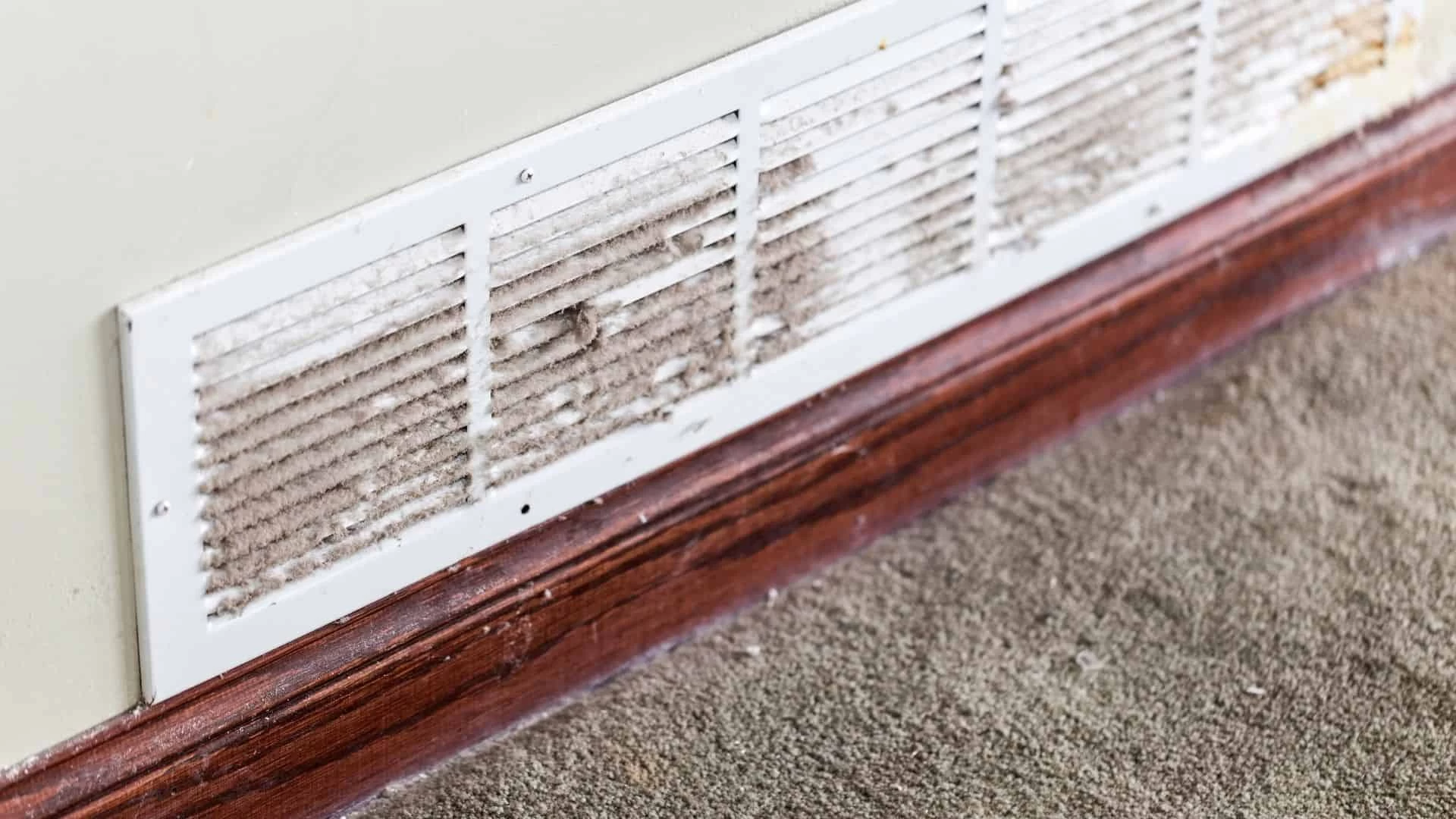
Duct systems work quietly in the background, which makes it easy to lose track of what’s accumulating inside them. With every heating and cooling cycle, air moves through supply and return lines and carries with it a portion of whatever has settled along the way—dust, pollen, pet dander, mold spores, and fine debris that builds up gradually over months and years. By the time the accumulation becomes noticeable, it has typically been underway for a long time.
Westfield’s established neighborhoods, mature tree canopy, and largely older housing stock create a specific indoor air quality profile worth understanding. Significant pollen output across multiple seasons moves indoors through windows, doors, and HVAC intake points, while homes with original or early-generation ductwork carry the kind of long-term buildup that no filter replacement is designed to address. Professional cleaning reaches what routine maintenance leaves behind—and in communities like Westfield, that gap between surface maintenance and deep system cleaning is often considerable.
Efficiency losses from contaminated ductwork tend to show up in energy bills before homeowners connect them to duct condition. Restricted airflow forces heating and cooling equipment into longer, less efficient cycles—drawing more energy and placing additional mechanical strain on components that are already working hard. Restoring clean, unobstructed airflow through the system reduces that burden, lowers operating costs, and helps the equipment maintain reliable performance across seasons.
Apex has been operating as a family-owned air duct and chimney service company for more than 40 years, and the business today reflects the same values it was founded on. There’s no corporate distance between the people running the company and the quality of work that goes out under its name—when the family’s reputation is on the line with every job, the standard stays consistent regardless of how routine the work might seem. That accountability is built into how we operate, not layered on top of it.
Working with a fully licensed and insured contractor protects homeowners in ways that aren’t always front of mind until something goes wrong. Our coverage is comprehensive and current, and every technician we send to a Westfield home is trained to work carefully and professionally in occupied spaces. Cleanliness, clear communication, and respect for the property are expectations we hold across every visit—not qualities that vary by technician or job size.
NADCA certification is the standard against which professional air duct cleaning practice is measured, and it’s one Apex actively maintains. Our CSIA and NFI certifications extend that same verified accountability to our chimney and fuel-burning appliance services. For homeowners evaluating their options, these credentials offer something more useful than a company’s own claims—independent, third-party confirmation that the work is being done by qualified professionals operating within defined industry standards.
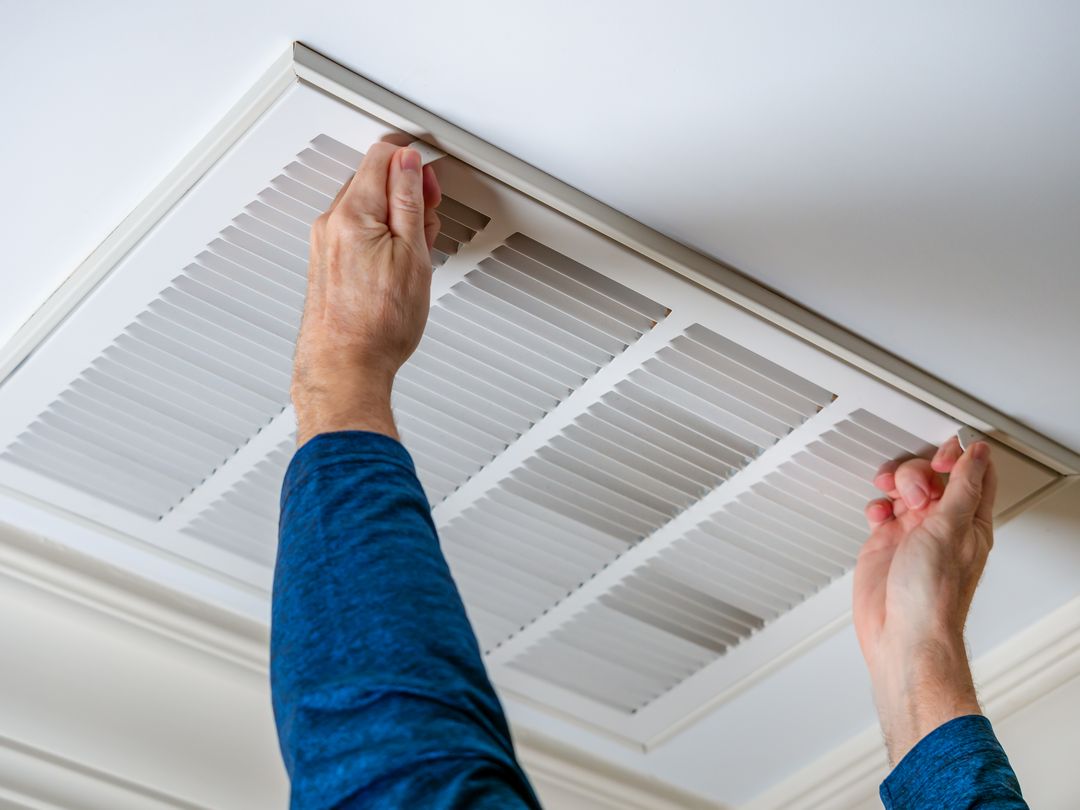
The process begins with assessment, not assumption. Before any cleaning equipment is brought in, our technicians conduct a thorough inspection of the full duct system—examining supply lines, return air ducts, trunk lines, and the air handler to document existing conditions, locate areas of concentrated buildup, and identify any damage or obstructions that should factor into the approach. What we find in that initial review determines how the job is structured, not the other way around.
Cleaning is performed using HEPA-filtered negative air pressure equipment that draws dislodged debris through the system and captures it in a sealed collection unit. Mechanical agitation tools work section by section through the ductwork, breaking up compacted buildup from interior duct walls while the vacuum maintains a contained environment that keeps particles out of the living space throughout the process. The method follows NADCA protocols from start to finish and covers every component of the connected system without exception.
Once cleaning is complete, we inspect and reseal all access points, verify that airflow has been properly restored, and conduct a final review of the system’s overall condition. Before leaving, we walk the homeowner through everything we observed—what the inspection revealed, what the cleaning addressed, and whether anything warrants follow-up attention. That closing conversation is a standard part of every job, not something reserved for appointments where complications arose.
Ready to get started?
Every residential duct cleaning Apex performs covers the complete connected system—supply ducts, return air lines, trunk lines, plenums, registers, grilles, and the air handler—in a single comprehensive visit. There’s no selective approach based on what’s easiest to reach or most visible. Partial cleaning leaves contamination in place and produces results that don’t reflect what a full system service can achieve, which is why we don’t offer it as an option.
Westfield’s housing stock spans more than a century, and a meaningful share of its homes feature ductwork that has been in place for decades without professional service. That history, combined with the community’s substantial tree canopy and the pollen loads it generates from spring through fall, means local duct systems frequently carry more accumulated contamination than their owners realize. Periodic professional cleaning addresses what years of filter changes and routine maintenance simply cannot reach.
Many homeowners find that scheduling related services alongside duct cleaning is both practical and worthwhile. Apex also handles dryer vent cleaning, chimney sweeping, and HVAC system inspections—services that address ventilation and safety concerns that develop in parallel with duct contamination and benefit from the same level of professional attention. Combining them into a single visit is more efficient and gives a more complete picture of how the home’s key systems are holding up.
Local Resources