
Summary:
Why Dryer Fires Happen in Edison Homes
Failure to clean is the number one factor contributing to dryer fires, with more than one-third of fires attributed to lack of routine maintenance. Your dryer creates the perfect storm for fire when lint accumulates in places you can’t see.
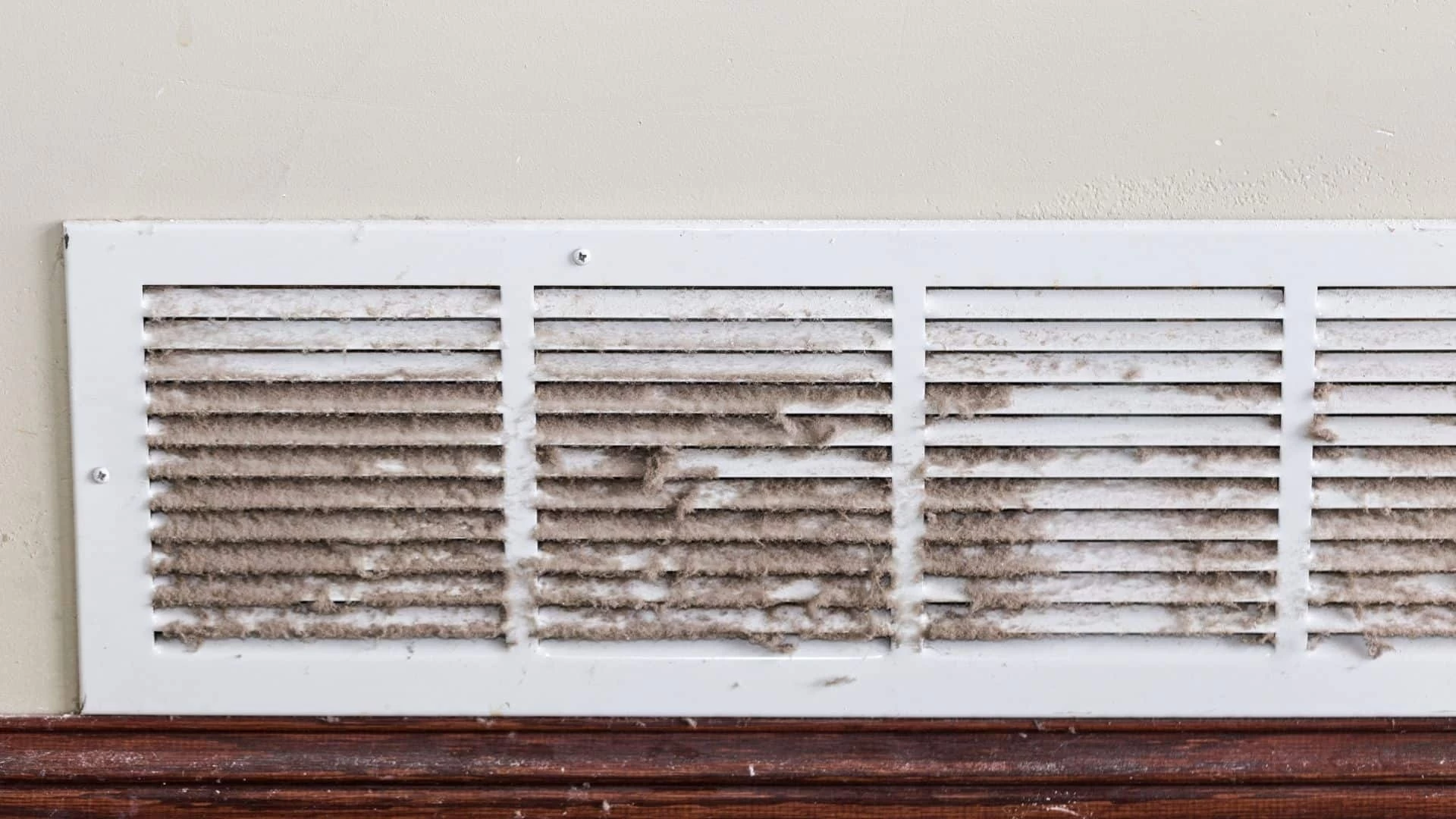
The most common cause of dryer fires is lint buildup in the dryer and exhaust duct. Lint, composed primarily of tiny fabric fibers, is highly flammable, and accumulation restricts airflow, causing the dryer to overheat and potentially ignite the trapped lint.
Edison’s climate makes this worse. New Jersey’s mix of humidity and cold seasons increases the chances of lint clumping inside your vent system. When moisture combines with lint, it creates sticky buildup that’s harder to remove and more likely to cause blockages.
How Lint Accumulation Creates Fire Risk
Cleaning the lint trap after each load only removes about 70% of the lint generated. The remaining 30% travels through your dryer vent system, where it gradually builds up over months of use.
Moisture from the dryer causes lint to stick and harden, making it difficult to remove, while airflow becomes restricted, increasing heat and the chance of ignition. Even small amounts of trapped lint become major fire hazards over time.
When dryers aren’t cleaned regularly, lint buildup restricts airflow, and when airflow is restricted, clothes take longer to dry. This creates a dangerous cycle where your dryer works harder, generates more heat, and increases fire risk with every load.
In Edison homes, seasonal humidity, pollen, and frequent family laundry cycles accelerate lint buildup and blockages. Large families doing multiple loads daily generate significantly more lint than occasional users, requiring more frequent attention to prevent dangerous accumulation.
The location of your vent system matters too. Longer vent runs, common in homes where the laundry room isn’t adjacent to an exterior wall, allow more opportunity for lint to settle and build up. Edison’s mix of older colonials and newer townhomes often have complex vent paths that compound the problem.
The Real Cost of Dryer Fires
U.S. fire departments respond to an estimated average of 15,970 home structure fires involving clothes dryers each year, causing annual averages of 13 civilian deaths, 444 civilian injuries, and $238 million in direct property damage. Most of these fires—92 percent—involve clothes dryers.
Clothes dryer fires cause an estimated $35 million in property loss to homes across America each year. But the financial impact goes beyond property damage. Families lose irreplaceable belongings, face temporary displacement costs, and deal with insurance complications that can stretch for months.
A clogged dryer vent is a significant fire risk, so the average $140 you might pay to have your dryer vent cleaned once a year could save you thousands of dollars in home repairs if the clog causes a fire. When you consider the potential for total home loss, professional cleaning becomes one of the most cost-effective safety investments you can make.
Some homeowner’s insurance companies will charge you a lower premium if you provide receipts of annual dryer vent cleanings by a professional. This recognition from insurance companies shows how seriously the industry takes dryer fire prevention.
The human cost is even more sobering. Many serious fires occur when people leave dryers running unattended, and many pets die because of dryer fires, with an average of over a dozen deaths and hundreds injured from dryer fires every year.
Warning Signs Every Edison Homeowner Should Know
Your dryer will warn you before it becomes dangerous, but you need to know what to look for. Extended drying time is the first indication that there’s a problem. If clothes that used to dry in one cycle now need two, your vent system is likely compromised.
Signs that your dryer is malfunctioning include clothes taking longer to dry, clothes being very hot after drying, or the machine unexpectedly shutting down. These aren’t minor inconveniences—they’re safety warnings that demand immediate attention.
Critical Warning Signs That Demand Action
Clothes take longer than usual to dry is often the first sign homeowners notice, but it’s not the only one. The exterior of your dryer gets very hot during operation indicates that heat isn’t being properly vented outside your home.
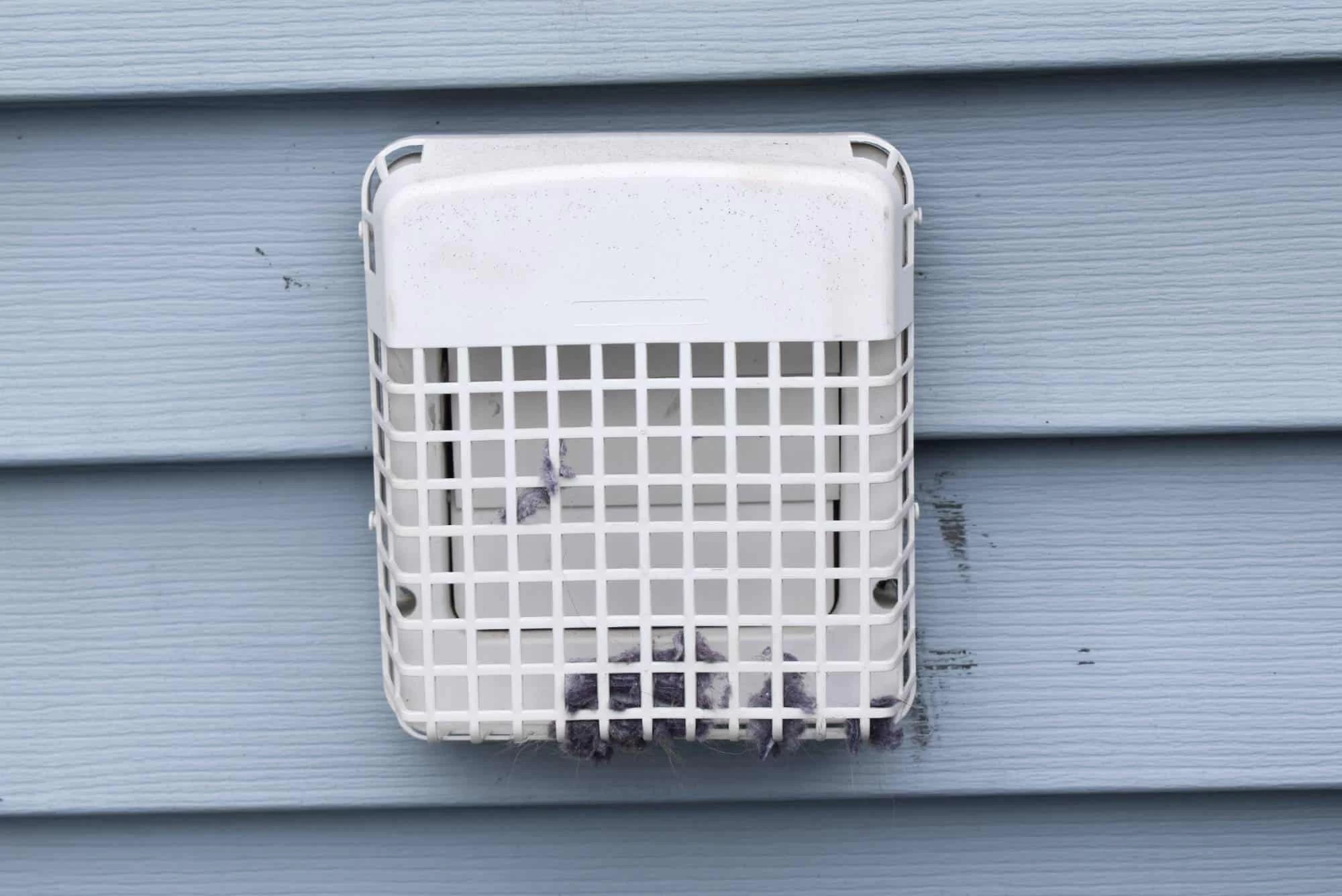
Unusual or burning odors during dryer operation should never be ignored. These smells often indicate lint is overheating and approaching ignition temperature. Lint around the area where the vent leaves your exterior wall shows that your system isn’t effectively expelling debris.
Other warning signs include the dryer or laundry room feeling unusually hot during operation, a musty or burning smell when the dryer is running, and the outside vent flap not opening fully during drying cycles.
If clothes feel unusually hot after drying, your vent may be blocked, along with other signs like musty smells, excess lint behind the dryer, or the dryer shutting off mid-cycle. If you notice any of these signs, discontinue use and call a dryer vent cleaning service immediately.
Hot clothes to the touch actually means the dryer is noticeably hot at the end of a cycle, indicating the dryer is not exhausting through the vent properly. Everything in the dryer overheats and overheating is never a good thing.
When DIY Cleaning Isn't Enough
It’s possible to clean out your dryer vent yourself between professional cleanings, but a DIY dryer vent cleaning should never replace a professional cleaning. DIY vent cleaning tools often fall short of fully clearing blockages, especially in longer systems, as store-bought brushes can’t navigate complex vent paths or deep buildup, and untrained users may compact lint instead of removing it.
Damage to the duct during DIY cleaning can cause leaks or even more risk. A comprehensive dryer vent cleaning requires specialized tools and training to fully remove all lint and identify system flaws, making professional service the most reliable way to prevent fires caused by lint accumulation.
We use equipment you can’t buy at hardware stores. Professional companies use truck-mounted or portable power units that create proper negative pressure, plus rotating brushes and compressed air tools to actually dislodge debris from duct walls. This thorough approach removes lint that DIY methods simply can’t reach.
A thorough dryer vent service begins with detailed inspection to locate blockages and identify damage, including visual checks, exterior vent inspection, airflow and temperature measurements, and camera inspection for long or convoluted ducts when necessary.
The cleaning process itself is comprehensive. Professional cleaning generally takes between 30 minutes to an hour, depending on the length and complexity of your vent system and severity of blockage, with technicians working methodically through the entire vent run.
Essential Prevention Steps for Edison Homeowners
Most clothes dryer fires can be prevented, and many of these fires are preventable with the right maintenance approach. The key is combining regular DIY maintenance with professional service on the right schedule.
Annual cleanings are recommended for most homes, but if you do frequent laundry or have a large household, consider servicing your dryer vent every 6–9 months. While once a year is common, large families doing multiple loads daily generate significantly more lint, warranting more frequent dryer duct cleaning, possibly every six to nine months.
For Edison homeowners, working with a local company like Apex Air Duct Cleaning & Chimney Services ensures you get the expertise and reliability your family deserves. Our 40+ years of experience and triple certification provide the peace of mind that comes with proven expertise in keeping New Jersey homes safe.