Summary:
Jackson's Home Design Creates Longer Dryer Vent Runs
Jackson’s expansive residential developments weren’t designed with dryer efficiency in mind. Most homes built here feature laundry rooms positioned far from exterior walls, creating vent runs that stretch much longer than the typical suburban setup.
When your dryer vent extends beyond 25 feet or includes multiple 90-degree turns, every load of laundry becomes a struggle against physics. The hot, moist air carrying lint particles has to travel further and navigate more obstacles to reach the outside.
This extended journey gives lint more opportunities to settle in corners and accumulate along the duct walls. What might take years to become a problem in a shorter vent system can develop into a serious blockage in just months in Jackson’s longer configurations.
Multiple Bends and Turns Trap Lint Faster
The reality of Jackson’s home layouts means your dryer vent likely makes several turns before reaching the outside. Each 90-degree elbow in your vent system doesn’t just slow down airflow—it creates a perfect lint collection point.
Think of it like a river with sharp bends. Water slows down at each turn, allowing sediment to settle. The same thing happens in your dryer vent, except instead of sediment, you’re dealing with highly flammable lint particles that accumulate with every load.
These turns also create what’s called “equivalent length” in the HVAC world. Every 90-degree bend effectively adds five feet to your vent’s total length in terms of airflow resistance. So a 20-foot vent with three bends performs like a 35-foot straight run—right at the maximum safe limit.
The problem compounds in Jackson because many homes feature vents that go up through the roof rather than straight out through a wall. This vertical routing requires additional bends and creates even more opportunities for lint to settle and build up over time.
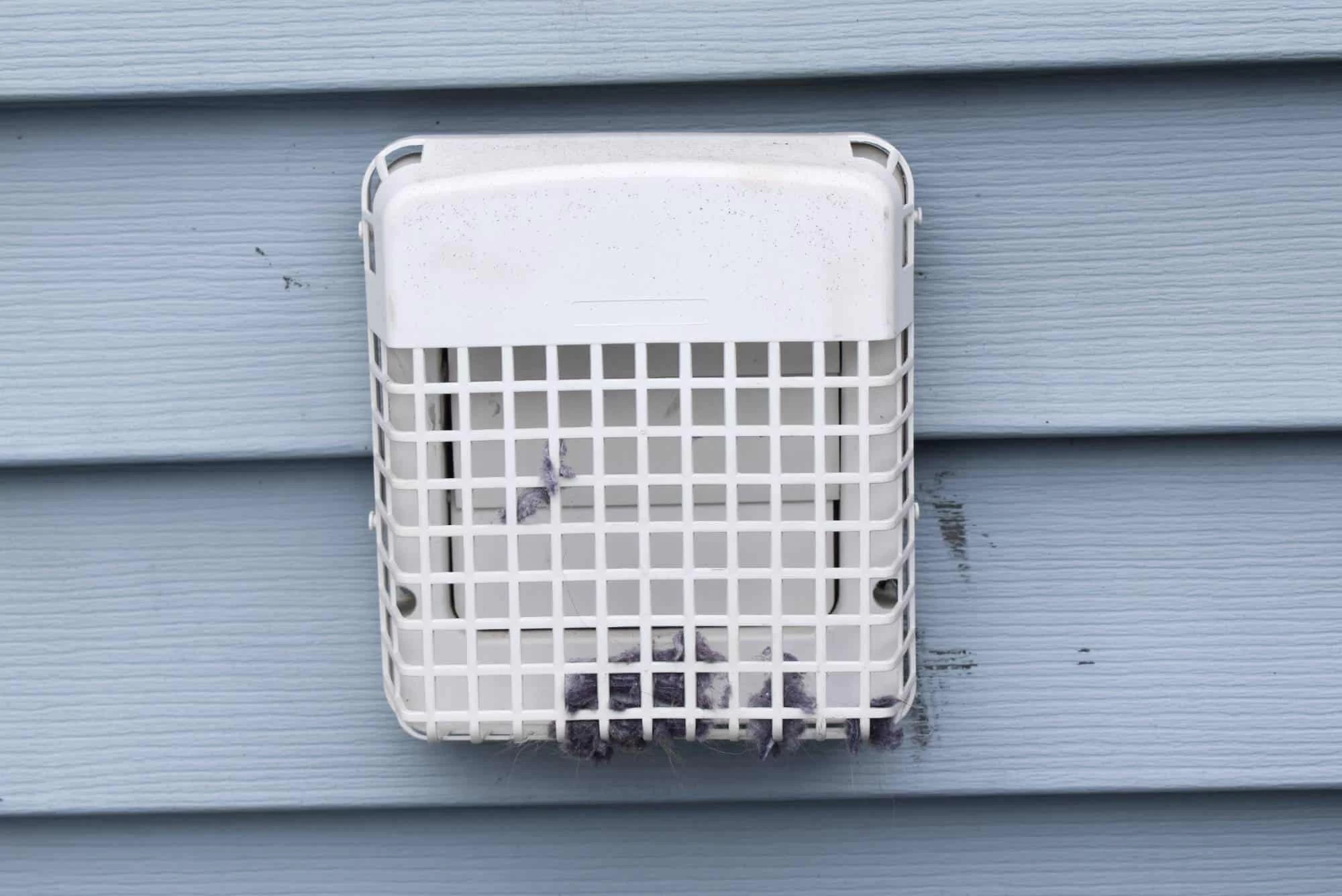
Sandy soil conditions throughout Jackson add another layer of complexity. When lint buildup combines with moisture and the area’s sandy conditions, external vent openings can become partially blocked, creating back-pressure that forces lint to accumulate faster inside the ductwork.
High Laundry Volume in Large Family Homes
Jackson’s family-friendly atmosphere means larger households with more laundry demands. When you’re running multiple loads daily to keep up with kids’ sports uniforms, work clothes, and household linens, your dryer vent system faces constant stress.
Each load produces lint, regardless of how well you clean the lint trap. Some lint always escapes and travels through your vent system. In a busy household running six to eight loads per week, this adds up to significant accumulation over just a few months.
The type of fabrics common in family laundry also matters. Cotton clothing, towels, and bedding produce more lint than synthetic materials. Athletic wear, which is increasingly common in active Jackson families, can shed microfibers that are particularly good at clinging to vent walls.
Larger homes also mean longer drying cycles. When your vent system is already stressed by length and bends, the dryer has to work harder and run longer to achieve the same results. This extended operation time means more lint-laden air passing through an already compromised system.
The combination of high volume and challenging vent configurations creates a perfect storm. What might be manageable lint production in a home with a short, straight vent becomes a serious accumulation problem in Jackson’s typical setup.
Warning Signs Your Jackson Home Has Restricted Airflow
Recognizing the early signs of vent restriction can prevent dangerous situations and expensive repairs. In Jackson homes, these warning signs often appear sooner than you’d expect due to the challenging vent configurations.
The most obvious indicator is longer drying times. If clothes that used to dry in one cycle now need two or three, your vent system is telling you something important. This isn’t just inconvenient—it’s your first warning that airflow is becoming restricted.
Pay attention to how hot your dryer gets during operation. If the exterior feels unusually warm or the laundry room becomes uncomfortably hot, heat isn’t escaping properly through the vent system.
Lint Buildup Causes and Safety Concerns
Understanding how lint buildup occurs in Jackson homes helps you recognize when intervention is needed. The process starts gradually but accelerates once accumulation reaches a critical point.
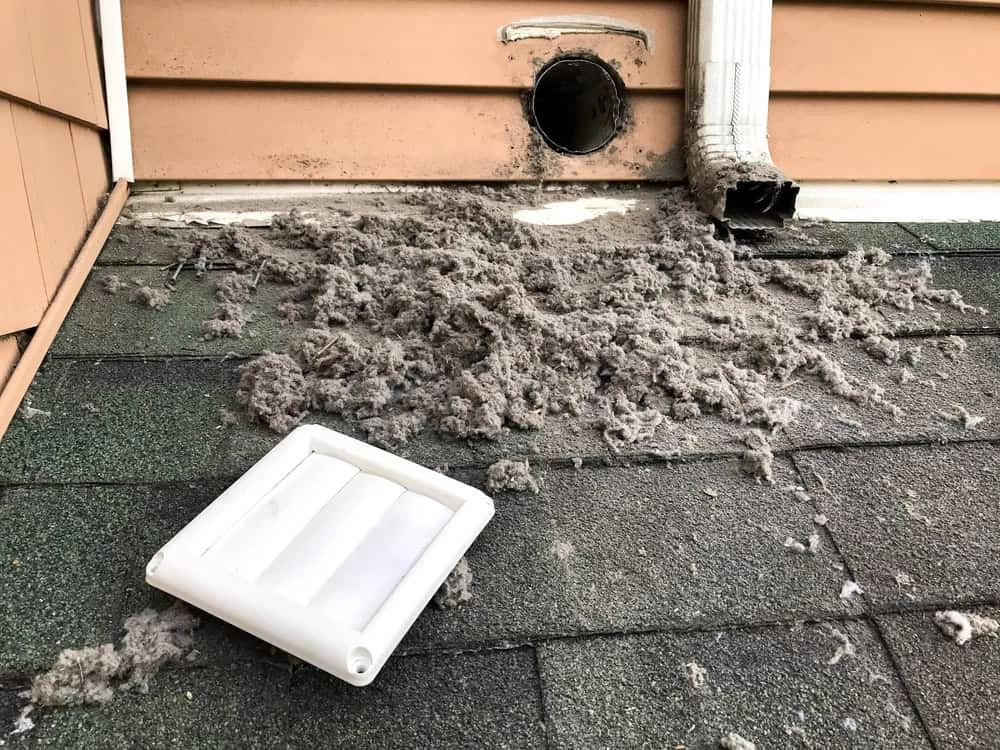
Lint begins collecting at the first bend in your vent system. In Jackson’s typical configurations, this might be where the vent transitions from horizontal to vertical, or at the first 90-degree turn after leaving the dryer. These initial deposits create rough surfaces that catch even more lint with each subsequent load.
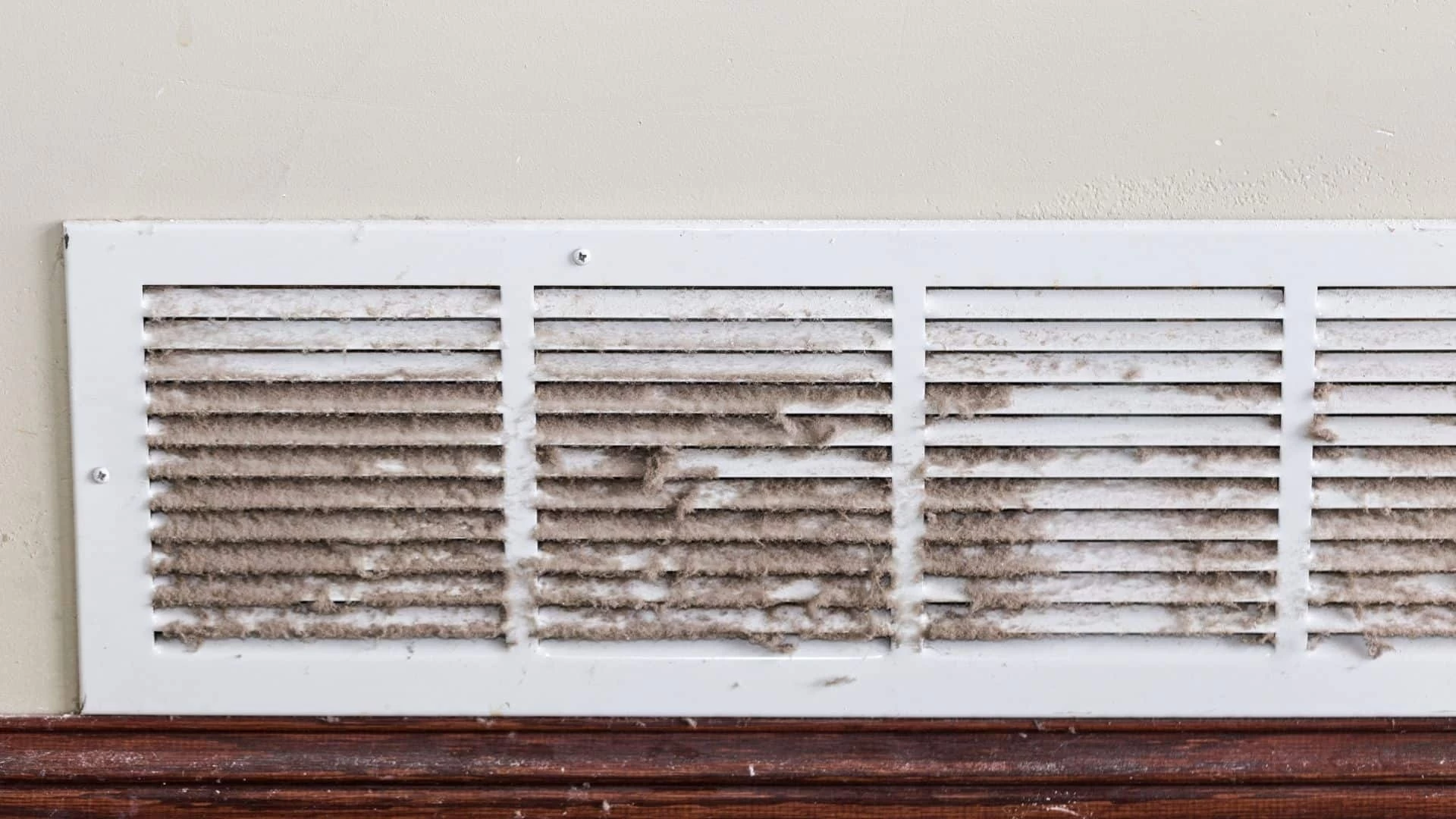
As buildup increases, airflow velocity decreases. Slower-moving air can’t carry lint particles as effectively, causing them to settle throughout the entire vent system rather than being expelled outside. This creates a cascading effect where the problem accelerates over time.
The safety implications are serious. Lint is essentially tinder—highly flammable material that ignites easily when exposed to heat. Dryers operate at temperatures that can easily ignite accumulated lint, especially when airflow restrictions cause the system to overheat.
Statistics from the National Fire Protection Association show that failure to clean dryer vents accounts for 34% of dryer fires. In Jackson, where vent systems face additional challenges, this risk may be even higher than the national average.
Beyond fire risk, restricted airflow forces your dryer to work harder, consuming more energy and wearing out components faster. The motor, heating element, and other parts experience increased stress when they can’t expel hot air efficiently.
Professional Maintenance for Jackson's Unique Challenges
Jackson’s challenging vent configurations require professional maintenance approaches that go beyond basic cleaning. Standard DIY methods often can’t reach the full length of these systems or address the specific accumulation patterns created by multiple bends and turns.
Professional cleaning involves specialized equipment designed to navigate long vent runs and multiple direction changes. High-powered vacuums combined with rotating brush systems can dislodge packed lint from areas that are impossible to reach with consumer-grade tools.
The inspection component is equally important in Jackson homes. We can identify whether your vent system complies with current building codes, assess the impact of your home’s specific configuration on airflow, and spot potential problems before they become dangerous.
Timing matters more in Jackson than in homes with simpler vent systems. While national guidelines suggest annual cleaning, many Jackson homes benefit from more frequent service—especially those with particularly long or complex vent runs, high laundry volume, or multiple family members.
Professional service also includes checking external vent terminations for the sandy soil and debris issues common in the area. These external factors can create back-pressure that accelerates internal lint accumulation, making regular exterior maintenance crucial for system performance.
The investment in professional maintenance pays for itself through improved energy efficiency, extended appliance life, and most importantly, peace of mind knowing your family is protected from fire hazards that develop more quickly in Jackson’s challenging vent environments.
Protecting Your Jackson Home from Dryer Vent Problems
Your Jackson home’s dryer vent system faces unique challenges that require proactive attention. The longer vent runs, multiple bends, and high laundry demands common in the area create conditions where problems develop faster than most homeowners expect.
Understanding these local factors puts you ahead of potential issues. Regular professional maintenance, attention to warning signs, and awareness of your home’s specific configuration help prevent dangerous situations and costly repairs.
Don’t wait for obvious problems to develop. The combination of Jackson’s housing characteristics and busy family lifestyles means your dryer vent system needs more attention than typical suburban homes. We’re here to ensure your family’s safety and your dryer’s efficiency with our comprehensive dryer vent cleaning services.