Summary:
Why Multi-Unit Dryer Vent Systems Are More Dangerous
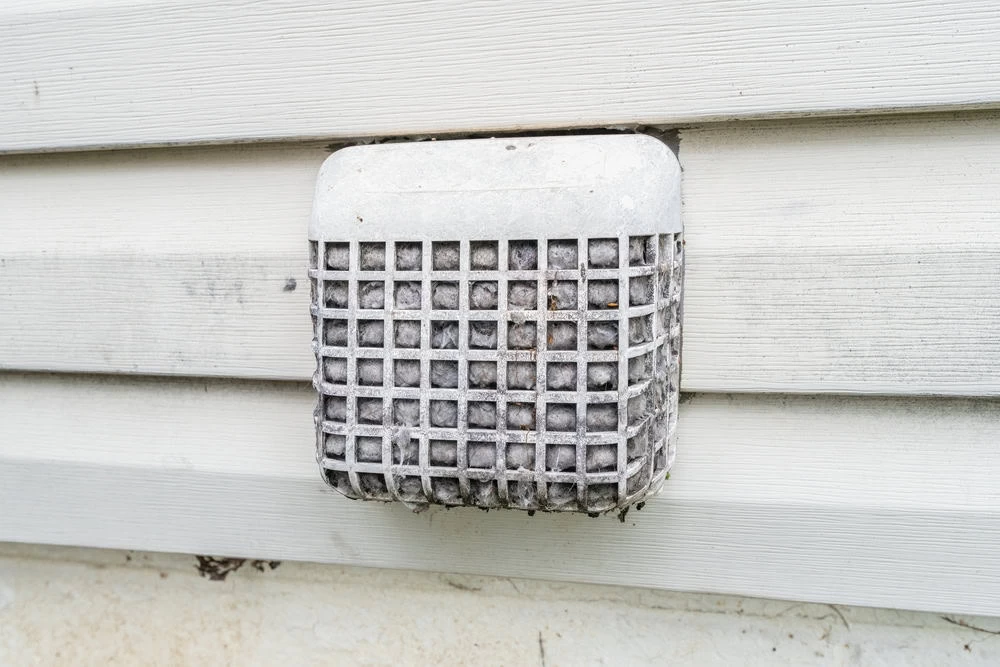
Multi-unit buildings route dryer vents through ceilings, crawlspaces, or long runs between units. These extended vents collect more lint, trap more heat, and are much harder to clean.
The vent systems in condo buildings are often interconnected, meaning one blocked vent can impact airflow and ventilation for the entire building. When your neighbor’s vent gets clogged, it doesn’t just affect their unit—it can create backdraft problems and safety issues throughout your building.
The numbers tell the story. As many as 15,000 fires start in apartments and condos due to clogged clothes dryer exhaust vents every year, with most being completely preventable through proper maintenance.
How Shared Vent Systems Create Fire Hazards
Your building’s shared dryer vent system works differently than a single-family home, and that difference creates serious fire risks you need to understand.
In condo buildings, dryer vents are typically routed through shared walls or shafts that connect multiple units. If one unit’s dryer vent becomes clogged, it can restrict airflow, causing the dryer to overheat and increasing the risk of fire. But here’s the scary part: a fire in one unit can quickly spread to neighboring units due to the shared walls and ventilation systems.
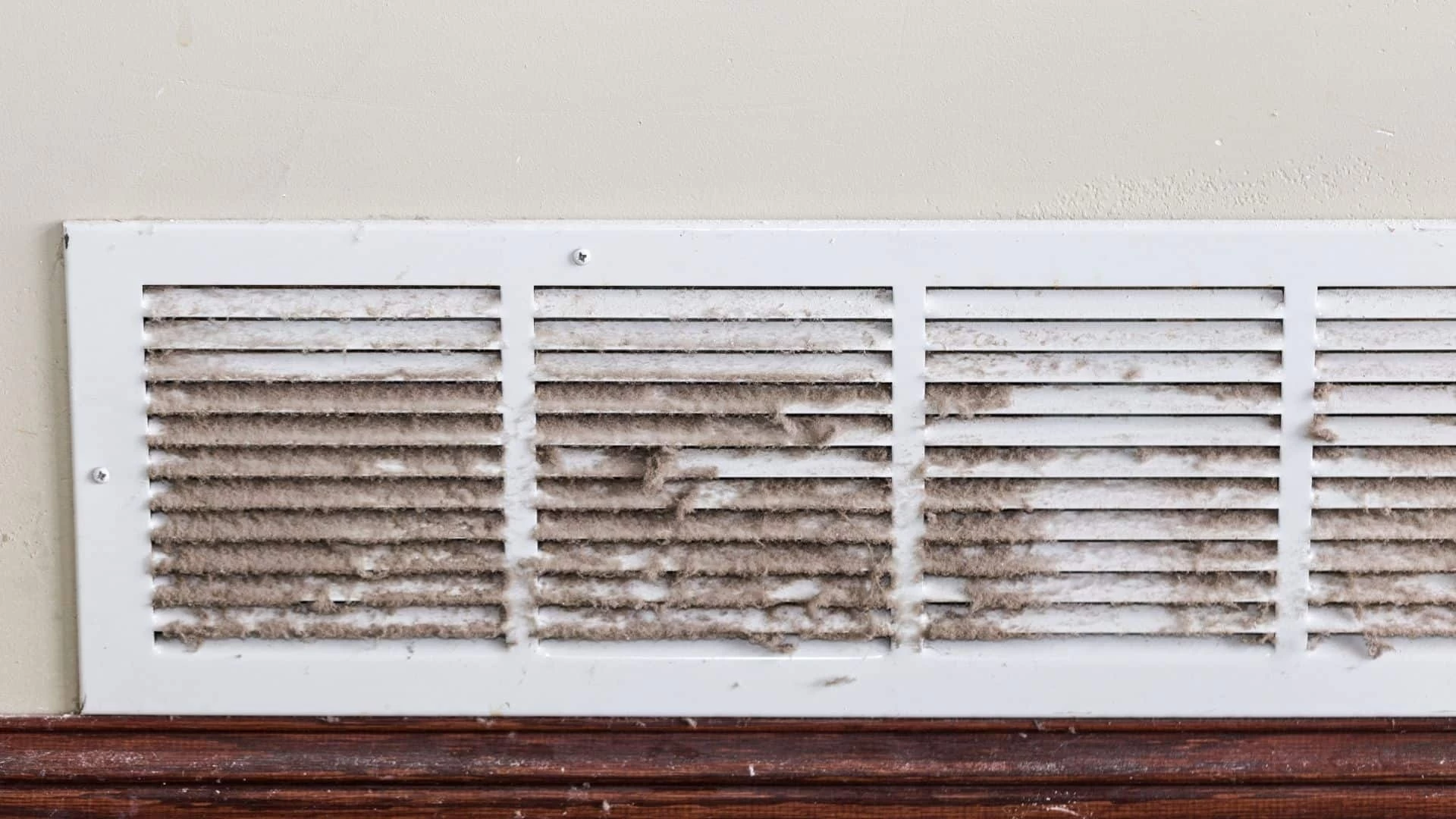
Think about your building’s layout. Your dryer vent likely travels through multiple floors, around corners, and through spaces you can’t see or access. The further hot air and lint have to travel, the more likely they are to clog, with complex vent layouts reducing airflow and increasing lint buildup.
These extended vents collect more lint, trap more heat, and if even one unit has a clogged vent, it can back up heat and lint into neighboring systems, increasing the risk of fire or damage throughout the building. What starts as a maintenance issue in one unit becomes a building-wide safety problem.
The reality is that most condo and townhome residents have no idea what their vent system looks like behind the walls. Many of these systems have design and installation flaws that make them impossible to clean properly, often installed by low-bidder contractors without proper engineering consideration.
Warning Signs Your Building Has Vent Problems
You don’t need to see inside your walls to know when your building’s dryer vent system is in trouble. There are clear warning signs every Jersey City resident should watch for.
If clothes are taking longer than normal to dry, it may indicate a blockage in the vent. If the dryer feels excessively hot during use, this is a sign that airflow is restricted and that the vents may be clogged. These aren’t just inconveniences—they’re safety warnings.
Look around your laundry area. Do you notice excessive humidity or moisture? The backup of heat and moisture can lead to humidity problems, which may affect other units in the building. If your building’s laundry room feels like a sauna, that’s a red flag.
Pay attention to energy costs too. Blocked vents make dryers work harder, leading to longer drying times and increased energy use, which increases utility bills for residents and places additional strain on the building’s electrical system. When multiple units are running inefficient dryers simultaneously, it creates a compounding problem.
Mold, bacteria, and other contaminants thrive in damp, lint-filled vents, posing health risks to apartment occupants—especially those with allergies or respiratory conditions. If residents are experiencing unexplained respiratory issues or allergies, contaminated vent systems could be the culprit.
The most serious warning sign? The U.S. Fire Administration reports that failure to clean dryer vents is one of the leading causes of home fires in the United States. When the dryer vent is clogged with lint, it can cause the dryer to overheat, and the accumulated lint can catch fire.
Professional Cleaning Requirements for Multi-Unit Buildings
Properties with multiple dryer systems such as apartment buildings, condos, townhomes, or HOAs carry a higher risk of fire. Some states and insurance carriers require these types of facilities to have regular vent cleanings to minimize these fire risks.
This isn’t just about following rules—it’s about protecting lives and property. If the dryer is used frequently, such as in multi-unit buildings with many residents, consider cleaning the vents every 6 months instead of the standard annual cleaning recommended for single-family homes.
Why DIY Cleaning Doesn't Work in Multi-Unit Buildings
You might think you can handle dryer vent cleaning yourself, but multi-unit building systems require professional expertise and specialized equipment that homeowners simply don’t have.
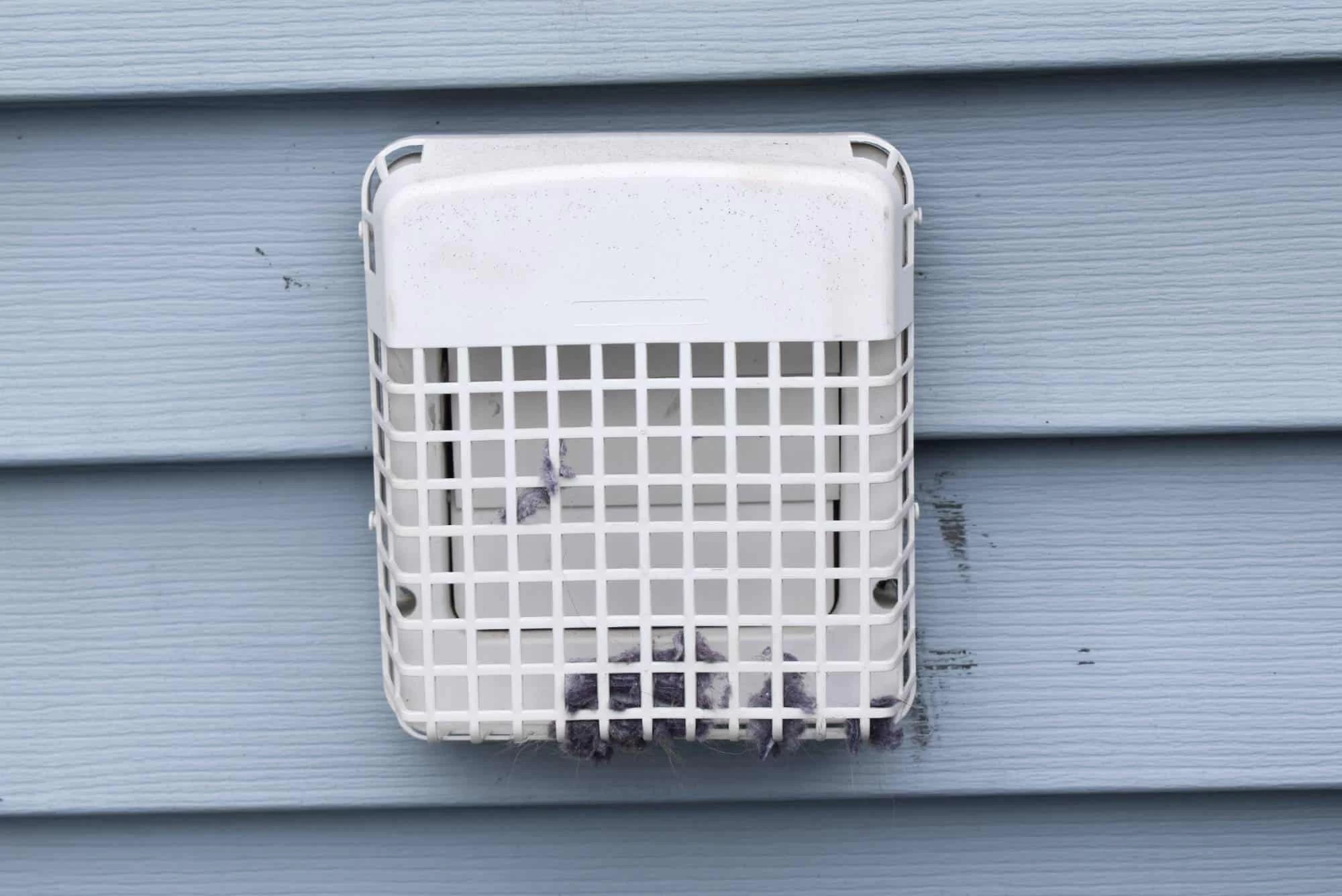
The longer and more complicated your dryer vent system is, the more likely lint is to accumulate in areas you can’t see. Apartment complexes often have vents that travel through ceilings, crawlspaces, or exterior walls—places that DIY cleaning tools can’t reach.
If an outside external cleaning method is chosen, the interior components of the dryer and transition hose behind the dryer will not be cleaned. Lint build-up inside or near the lint trap housing, blower, motor, and interior cabinet cannot be cleaned if the dryer is not opened up. The combustible material that often ignites first is the lint inside the dryer near the motor and heating element. With an exterior vent cleaning method, you could end up with a vent system that is clean but a dryer that is filthy.
Professional technicians understand the unique challenges of multi-unit systems. We use state-of-the-art vent cleaning systems to remove hidden fire hazards in the form of lint, debris, and other materials from the vent line. We have the tools to clean vertical runs, navigate complex ductwork, and access areas that are impossible to reach with consumer-grade equipment.
Dryer vent cleaning should be done by a professional as it requires specialized tools and knowledge to safely remove lint and debris from the vent system. This is especially critical in buildings where one mistake can affect multiple units.
What Professional Multi-Unit Cleaning Includes
Professional dryer vent cleaning for multi-unit buildings goes far beyond what most residents imagine. It’s a comprehensive process designed to address the unique challenges of shared vent systems.
During professional dryer vent cleaning, technicians remove lint, dust, and debris from the entire vent system. This eliminates the primary fuel source for dryer fires. Even if the dryer generates high heat, the absence of lint buildup greatly reduces the risk of fire.
The process includes cleaning the entire vent run from your dryer to the exterior exhaust, not just the easily accessible parts. Technicians use powerful vacuum systems and specialized brushes designed for long, complex ductwork. Professional technicians inspect the vent system for damage, obstructions, or improper installation. We ensure that the vent is functioning as it should, and that it’s up to safety codes. If any issues are detected, we can repair them before they lead to larger problems, like a fire hazard.
For Jersey City buildings, this often means coordinating with building management to access mechanical rooms, roof areas, and shared spaces that individual residents can’t reach. Multi-unit dryer vent cleaning services provide professional and code-compliant cleaning with minimal disruption to tenants, increasing safety and efficiency for all units.
Professional service also includes documentation. Many insurance companies and building codes require proof of regular maintenance. Professional technicians provide detailed reports showing what was cleaned, what problems were found, and what recommendations we have for ongoing maintenance.
Protecting Your Jersey City Home Investment
Your condo or townhome represents a significant investment, and proper dryer vent maintenance is essential for protecting that investment. Fire safety isn’t just a personal issue—it’s a building-wide concern. By investing in routine dryer vent maintenance, you reduce liability, improve efficiency, and provide peace of mind to every resident.
Don’t wait for warning signs or building management to take action. Regular dryer vent cleaning is essential for maintaining a safe and efficient building. By removing lint buildup, improving airflow, and reducing overheating, you can prevent the risk of fires and ensure the safety of residents.
For Jersey City residents serious about safety and property protection, contact Apex Air Duct Cleaning & Chimney Services. With over 40 years of experience and triple certification in CSIA, NFI, and NADCA standards, we understand the unique challenges of multi-unit buildings and provide the professional service your building deserves.