Summary:
Plainsboro's Mixed Housing Creates Unique Dryer Vent Challenges
Plainsboro’s housing diversity isn’t just about curb appeal—it directly affects your dryer’s safety and efficiency. The township offers older ranch-style and split-level homes from the 60s and 70s, as well as newer Colonial-style houses from the 90s and beyond. Each architectural style presents different dryer vent configurations that affect how efficiently your system operates.
Many Plainsboro homes have longer vent runs due to home layouts, which means more places for lint to accumulate and cause problems. Older ranch homes often have straightforward vent paths. Multi-story colonials? They require longer, more complex routing through walls and floors. New Jersey building codes allow maximum 35-foot dryer vent runs, with length reductions required for each fitting or turn, but even code-compliant systems need regular maintenance to stay safe.
How Long Vent Runs Increase Fire Risk in Plainsboro Homes
The longer your dryer vent run, the more opportunities exist for lint accumulation and airflow restriction. This isn’t just an efficiency issue—it’s a safety concern that could cost you everything.
According to Consumer Product Safety Commission estimates, 15,000 clothes dryer fires each year are caused by insufficient air flow due to improper venting. When lint builds up in longer vent systems, it creates multiple restriction points. Your dryer works harder. Runs hotter. The combination of trapped heat, restricted airflow, and highly combustible lint creates perfect conditions for ignition.
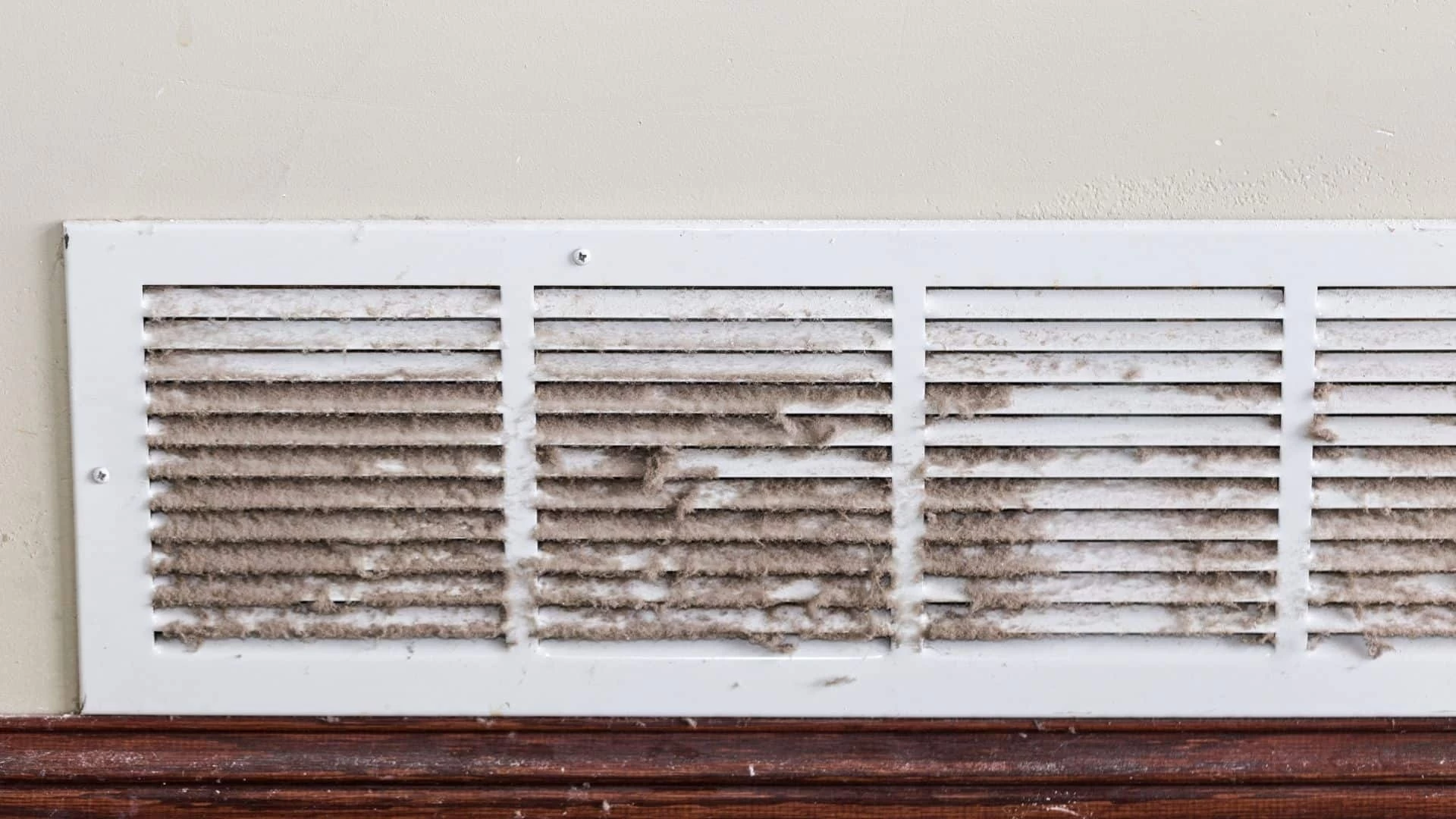
Homes with longer vent runs – common in Plainsboro’s layouts – may need more frequent service because lint has more places to build up along the ductwork. Think about it: a 30-foot vent system has 30 feet of surfaces where lint can stick and accumulate. That’s a lot of potential fire fuel.
Professional cleaning reaches the entire system using specialized equipment that can handle the turns, bends, and longer runs typical in Plainsboro homes, while DIY attempts often push lint deeper into the system, making the problem worse. You might save money upfront, but a clogged vent can add $300+ yearly to your energy bills and potentially cause thousands in fire damage.
Most homes need professional dryer vent cleaning every 1-2 years, but homes with longer vent runs may need annual cleaning, especially if you do multiple loads weekly or have a large family. The investment in professional service becomes clear when you consider the alternatives.
Why Ranch Homes and Colonials Need Different Maintenance Approaches
Your home’s architectural style directly impacts your dryer vent maintenance needs, and treating all homes the same is a mistake that could cost you.
Ranch-style homes, common in Plainsboro’s older neighborhoods, typically feature shorter, more direct vent paths to exterior walls. Sounds simple, right? Not quite. Decades-old dryer vent systems may need increased cleaning, so plan to complete this task twice per year. Age matters more than simplicity.
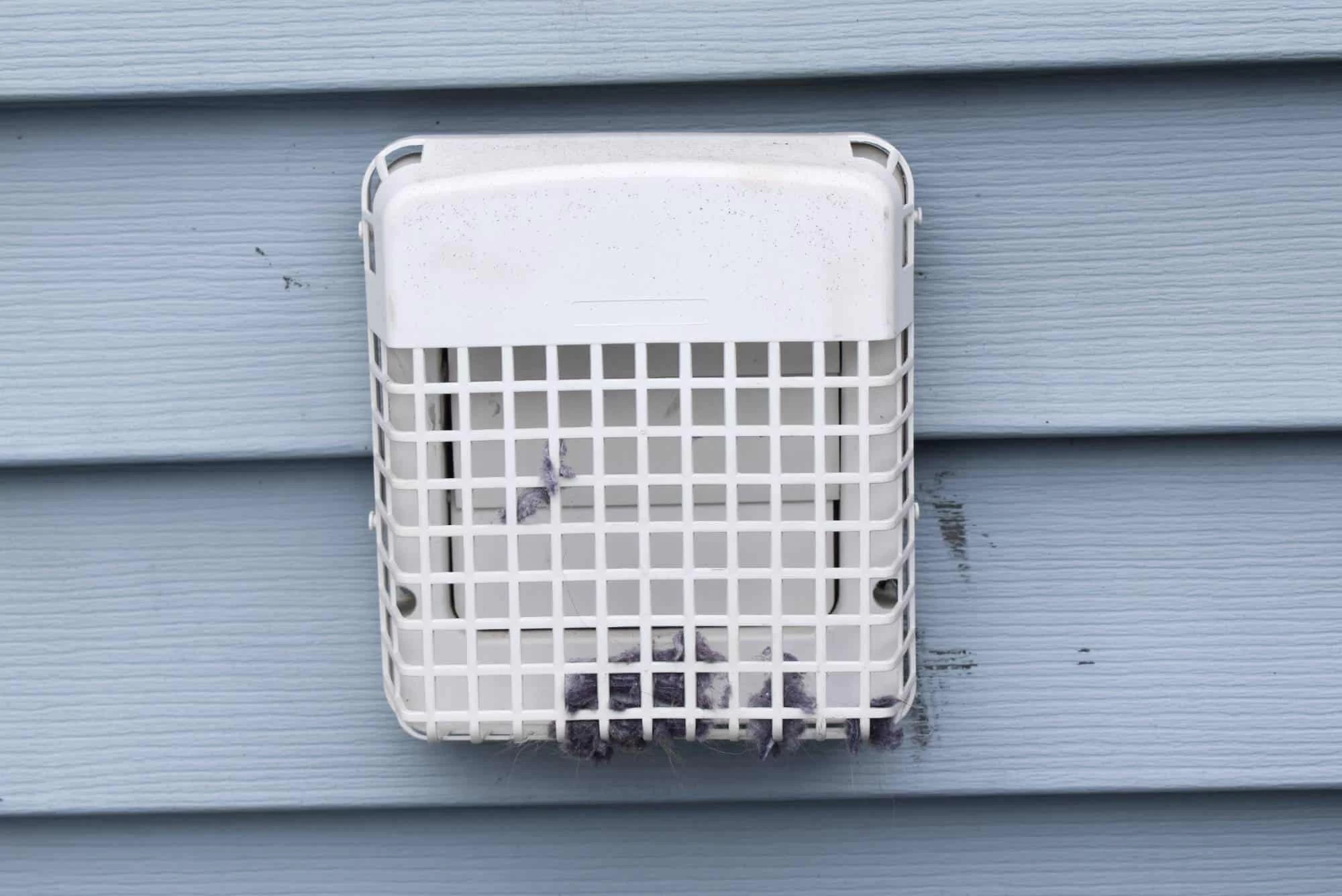
Colonial-style homes present different challenges entirely. Multi-story layouts often require venting through floors, walls, and sometimes even roof systems. Outdoor debris, such as leaves and even bird nests, can clog the vent exit, creating airflow problems. These complex routing systems create more opportunities for lint accumulation and require professional expertise to clean effectively.
The age factor compounds these issues. Older homes may have original ductwork that doesn’t meet current building standards. Newer construction might use materials and configurations that require different cleaning approaches. We understand how Plainsboro homes are built and the specific challenges each neighborhood presents.
Whether you live in a 1960s ranch or a 2000s colonial, the key is understanding that one size doesn’t fit all when it comes to dryer vent maintenance. We can assess your specific system and recommend the appropriate cleaning frequency based on your home’s unique configuration.
New Jersey's Humidity Makes Dryer Vent Problems Worse
New Jersey’s climate isn’t just uncomfortable during summer months—it actively works against your dryer’s efficiency and safety. Humidity can make your dryer work harder to expel moist air, reducing its efficiency and increasing drying times. This isn’t just an inconvenience. It creates conditions that accelerate lint buildup and increase fire risks.
With humid summers and cool winters, Plainsboro’s seasonal shifts push HVAC systems to the limit, while dust, pollen, and moisture can build up in ductwork. Your dryer vent system faces the same challenges, with humid air making lint more likely to stick to vent walls and creating moisture conditions that promote mold growth.
How Moisture and Lint Create Dangerous Combinations
The relationship between humidity and lint buildup creates a cascade of problems that many homeowners don’t recognize until it’s too late. Here’s what’s happening inside your vent system right now.
High humidity levels can cause lint to clump together, leading to faster accumulation and potential blockages in the dryer vent. This clumping effect means that even homes with religious lint trap cleaning can develop dangerous blockages in their vent systems. You’re doing everything right, but it’s still not enough.
Humidity can cause moisture to accumulate inside the dryer vent, creating an ideal environment for mold and mildew growth that not only affects your indoor air quality but also poses health risks. When moist lint combines with restricted airflow, the conditions become perfect for both fire hazards and air quality problems.
A hot and humid laundry room creates the perfect environment for dryer vent condensation, and without proper airflow, that trapped moisture finds its way into your dryer and vents, with lint buildup blocking airflow and trapping moisture, commonly leading to water in the dryer after each cycle. This moisture retention forces your dryer to work even harder, increasing energy consumption and wear on the appliance.
The solution requires more than just emptying your lint trap. Ensure proper ventilation by making sure your dryer vent is properly installed and regularly maintained, and use a dehumidifier in your laundry room to reduce moisture levels. Professional inspection can identify moisture-related problems before they become serious safety hazards.
Seasonal Humidity Patterns and Maintenance Timing
Understanding New Jersey’s seasonal humidity patterns helps determine the best timing for dryer vent maintenance. Timing matters more than you might think.
Heat and humidity are summer-time problems, and if the laundry room is consistently hot and humid in the warmest months of the year, it affects dryer performance. But the problem isn’t limited to summer months. Spring and fall create their own challenges.
Temperature differences are a common cause of condensation in dryer vents, with many dryer vents passing through unconditioned spaces like attics, where temperature contrast can increase moisture buildup along metal ducts, making dryer vent maintenance especially critical in high humidity levels. Spring and fall transitions create particularly challenging conditions as temperature differentials increase condensation risks.
Moisture can accumulate if the dryer is used in a high-humidity area or lacks proper ventilation, and running the dryer on a timed cycle with the door slightly ajar after use can help evaporate residual moisture, but regular vent cleaning is essential to maintain efficient drying and prevent condensation. These temporary fixes don’t address the root problem.
The most effective approach combines seasonal awareness with professional service. Schedule annual cleaning before peak usage seasons, typically late spring or early fall, when humidity levels start changing but before extreme weather conditions set in. This timing ensures your system is prepared for the seasonal challenges ahead while addressing any moisture-related buildup from the previous season.
Protecting Your Plainsboro Home with Professional Dryer Vent Cleaning
The unique challenges facing Plainsboro homeowners—from diverse housing styles to humid climate conditions—make professional dryer vent cleaning more than just routine maintenance. It’s essential protection for your family and property.
Clean dryer vents prevent the 15,000+ house fires that happen every year from lint buildup, help your dryer last years longer when it doesn’t have to strain against blockages, and stop you from throwing money away on wasted energy. The math is simple: prevention costs less than replacement.
Warning signs include clothes taking much longer to dry than usual, your dryer feeling hot to the touch, shutting off mid-cycle, or producing burning or musty odors. Don’t wait for these symptoms to appear. Annual professional cleaning addresses problems before they become safety hazards while ensuring optimal energy efficiency year-round.
When you’re ready to protect your home and family, contact Apex Air Duct Cleaning & Chimney Services. We understand Plainsboro’s unique housing challenges and have the expertise to keep your dryer vent system safe and efficient.