Summary:
How Dryer Vents Work in Multi-Unit Buildings
Unlike single-family homes where your dryer vent takes a short, straight path to the outside, apartment and condo buildings route vents through complex systems that can span multiple floors and units. Your dryer might connect to a vent that travels through walls, up several stories, or even horizontally across the building before reaching an exterior wall.
In condo buildings, dryer vents are typically routed through shared walls or shafts that connect multiple units. This interconnected design creates efficiency during construction but introduces maintenance challenges that don’t exist in standalone homes. Multi-unit buildings often route dryer vents through ceilings, crawlspaces, or long runs between units, making them harder to access and clean properly.
The length and complexity of these systems mean lint has more places to accumulate, and blockages can affect airflow for multiple units simultaneously. What seems like a simple appliance connection actually involves building-wide infrastructure that requires coordinated maintenance.
Shared Vent Systems and Cross-Unit Impact
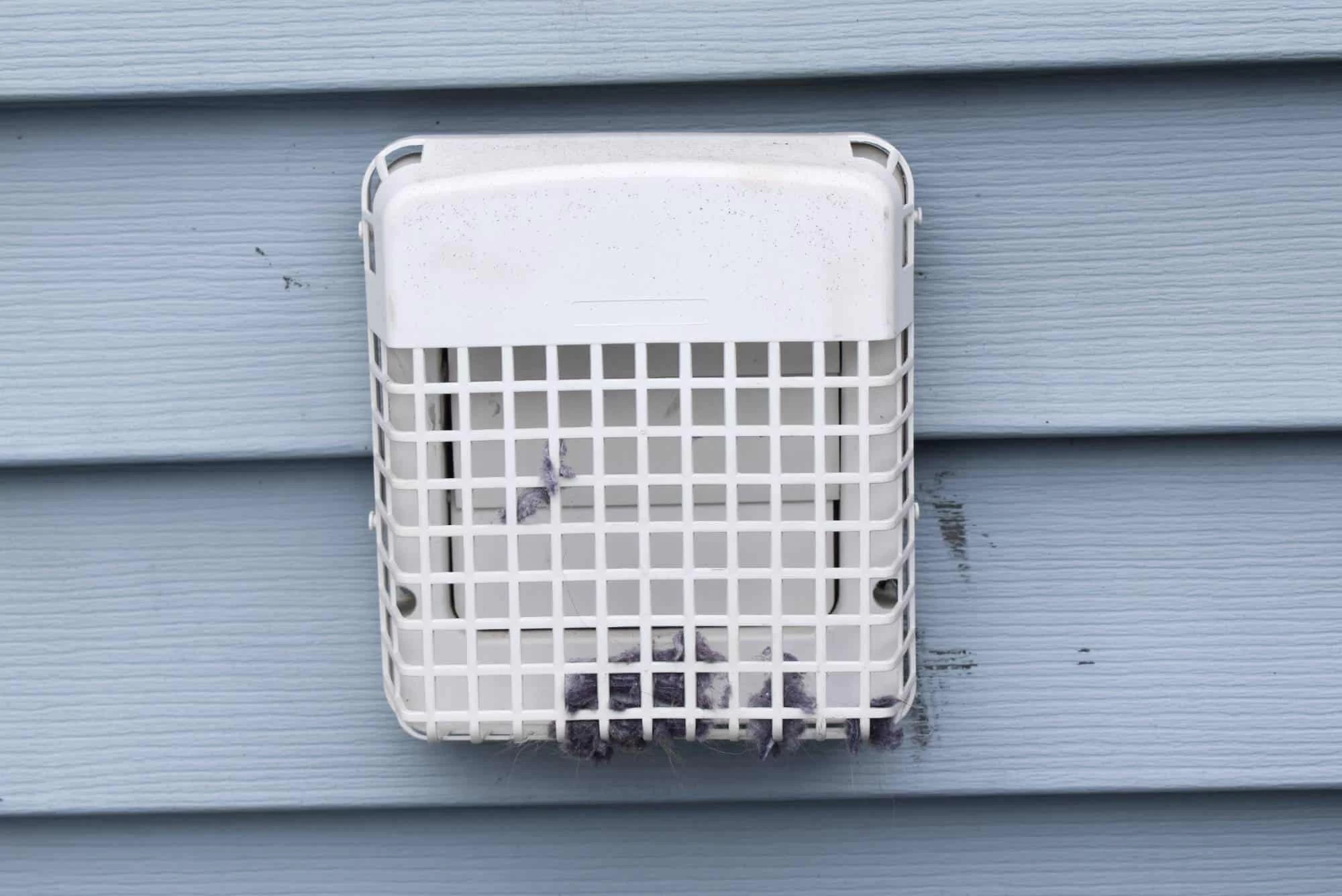
In many multi-unit buildings, dryer exhausts pass through shared walls and converge at a common outlet, where lint from multiple units can accumulate in shared sections. This setup means your neighbor’s neglected dryer vent can directly impact your unit’s performance.
When one unit’s vent becomes clogged, it doesn’t just affect that resident. If multiple units experience clogged dryer vents, the overall energy consumption in the building increases, affecting all residents and potentially requiring higher energy costs due to inefficiency, particularly problematic for buildings with shared utilities.
The shared nature of these systems also amplifies safety risks. A fire in one unit can quickly spread through the building’s ventilation system, with shared dryer vents and shafts making it easier for fire to spread, increasing danger for all residents. In a condo building, a fire in one unit can quickly spread to neighboring units due to shared walls and ventilation systems.
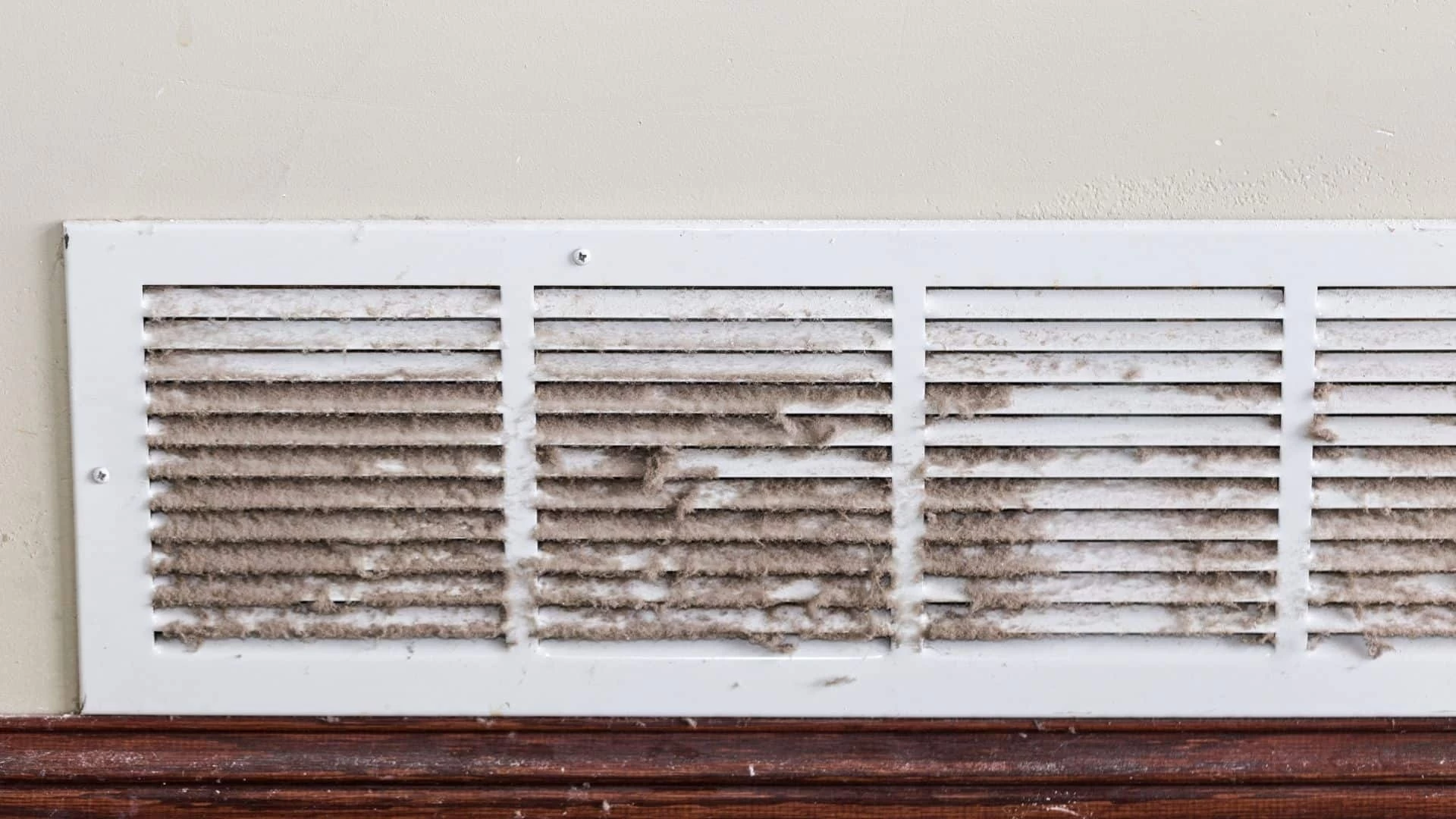
Beyond fire risks, moisture from a clogged dryer vent can seep into walls and ceilings, causing mold growth in multiple units, with shared ventilation systems potentially spreading moisture throughout the building. This creates health concerns that extend far beyond the unit with the original problem.
Understanding these interconnected risks helps explain why individual maintenance isn’t just about your convenience—it’s about being a responsible neighbor and protecting the entire building community.
Long Vent Runs and Accessibility Challenges
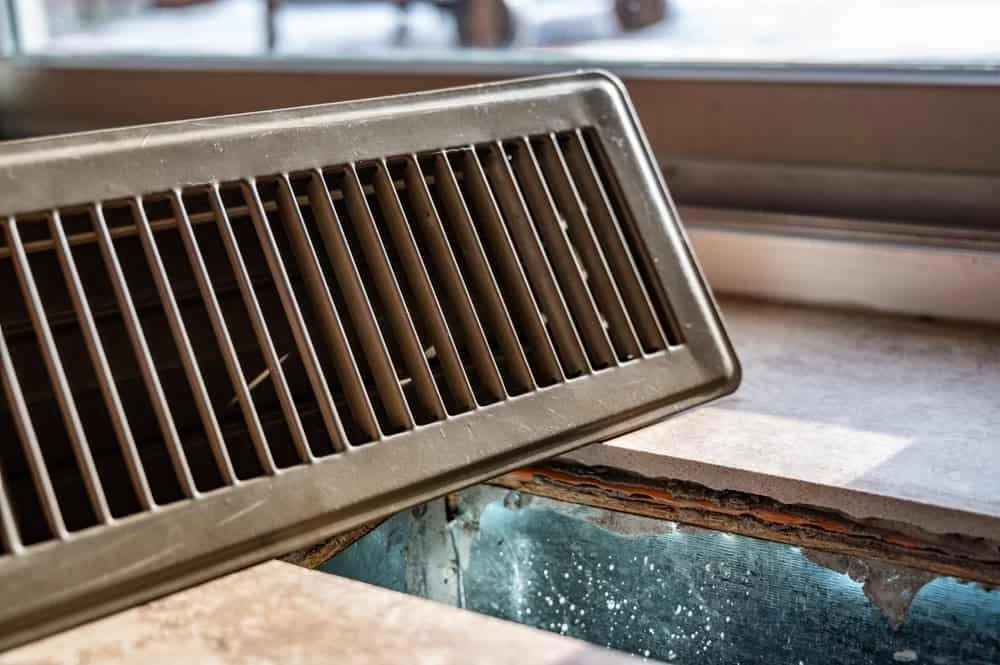
Condominiums and apartment complexes often have complex venting systems where dryer vents may extend over long distances with multiple bends and turns, making it challenging for standard cleaning methods to effectively reach and remove lint buildup. These extended pathways create multiple problem areas that require specialized equipment and expertise to address properly.
Accessing dryer vents in multi-story buildings can be problematic, with vents running through walls, ceilings, and shared spaces, requiring careful navigation and coordination. What might be a simple exterior wall cleaning in a house becomes a complex operation requiring building access, specialized tools, and often coordination with building management.
Many apartments and condos have longer vent systems with multiple bends, making them more prone to clogs. Each bend in the ductwork creates a potential collection point for lint, and longer runs mean reduced airflow even under normal conditions. Long vent runs may require booster fans to improve airflow, adding another layer of complexity to the system.
The accessibility challenges also affect maintenance frequency and cost. Professional cleaners with specialized tools and techniques are necessary to address these challenges. Standard homeowner cleaning methods simply can’t reach the problem areas in these complex systems, making professional service essential rather than optional for multi-unit buildings.
Fire Prevention and Safety Concerns for Apartments
More than 15,000 clothes dryer fires occur annually, and as many as 15,000 fires start in apartments and condos due to clogged clothes dryer exhaust vents, with many cases of injuries and deaths reported every year due to lack of attention to clogged dryer vents. The confined spaces and shared systems in multi-unit buildings make these statistics particularly concerning for apartment and condo residents.
Properties with multiple dryer systems such as apartment buildings, condos, and townhomes carry a higher risk of fire, with some states and insurance carriers requiring regular vent cleanings to minimize these fire risks. The concentrated risk in multi-unit buildings has led to increased regulatory attention and insurance requirements.
34% of home dryer fires are caused by clogged vents, with 28% of house fires from dryer vents resulting from lint, dust, and fiber buildup and blockages. In apartment settings, these percentages become more alarming because fires can spread rapidly between units through shared walls and ventilation systems.
Why Multi-Unit Buildings Face Higher Fire Risk
Clothes dryers can reach extremely high temperatures and pose a fire threat in apartments and condos due to less ventilation while doing laundry, requiring preventive measures such as professional cleaning of clogged dryer vents to reduce potential fire risks. The reduced ventilation in multi-unit buildings compared to single-family homes creates a more dangerous environment when lint accumulates.
Statistics show that clothes washers and dryers cause an estimated 10% of structure fires in non-high rise apartment buildings, and many originated in clogged dryer vents. This statistic becomes more significant when you consider how quickly fires can spread in buildings where units share walls, ceilings, and ventilation systems.
The most significant danger associated with clogged dryer vents is fire risk, with the U.S. Fire Administration reporting that failure to clean dryer vents is one of the leading causes of home fires, and when vents are clogged with lint, dryers can overheat and accumulated lint can catch fire. Clogged vents also lead to higher temperatures inside dryers, making appliance malfunction more likely, with overheating potentially causing dryer motor or electrical component failure, further increasing spark and fire risk.
The building design factors that make apartment living convenient—shared utilities, connected ventilation, and proximity to neighbors—become serious liabilities when dryer maintenance is neglected. It’s extremely important to clean clogged dryer vents, especially in apartments, as apartments and condos may not be well-ventilated and fires can spread very quickly.
Regular professional maintenance isn’t just about appliance efficiency in these environments—it’s a critical safety measure that protects entire building communities from preventable disasters.
HOA Rules and Building Maintenance Responsibilities
Some buildings include dryer vent maintenance in their HOA contracts, while others leave it up to individual owners, and if you’re a landlord, you’re legally responsible for ensuring all appliance venting is up to code, with the safest route being to schedule regular inspections whether you’re a tenant, condo owner, or property manager. Understanding your building’s specific policies can prevent costly surprises and ensure compliance.
If the HOA does not oversee vents, individual owners must schedule cleaning, while renters should know that landlords are typically responsible for vent cleaning. This responsibility division varies significantly between buildings, making it essential to clarify expectations before problems arise.
Many local codes require routine dryer vent maintenance, and HOA governance in New Jersey must align with both state law and federal regulations, with the New Jersey Condominium Act guiding formation and administration of condominium associations. These legal requirements mean that neglecting vent maintenance could potentially create liability issues for both individual owners and building associations.
For multi-unit buildings, proper maintenance helps prevent disputes between tenants and property managers when dryer issues arise. Clear maintenance schedules and responsibility assignments reduce conflicts and ensure consistent care for building-wide systems.
For most apartments, it’s recommended to clean dryer vents at least once a year, but if the dryer is used frequently, such as in multi-unit buildings with many residents, consider cleaning every 6 months due to increased likelihood of lint accumulation. Building managers should factor this frequency into their maintenance planning and budgets.
Professional Dryer Vent Cleaning for Hoboken Multi-Unit Buildings
Dryer vents should be professionally cleaned at least once a year—or more frequently if the building has a history of lint buildup or HVAC issues. Scheduling professional cleanings at least once a year removes lint buildup in the entire vent system, with regular inspections ensuring there are no obstructions or leaks.
The complex nature of multi-unit vent systems demands specialized expertise that goes beyond basic homeowner maintenance. When searching for the best dryer cleaner for your condominium or apartment complex, look for a cleaning service with extensive experience in handling multi-unit residential buildings, as their expertise in navigating complex venting systems and working with various stakeholders is crucial for successful cleaning operations.
Professional service becomes essential when you’re dealing with the unique challenges that Hoboken’s apartment and condo buildings present. The investment in proper maintenance protects not just your individual unit, but contributes to the safety and efficiency of your entire building community. For residents in Hoboken’s multi-unit buildings, we understand both the technical complexities of shared vent systems and the local building requirements that keep your community safe and compliant.