Summary:
How Lint Accumulation Creates Fire Hazards in Your Dryer Vent
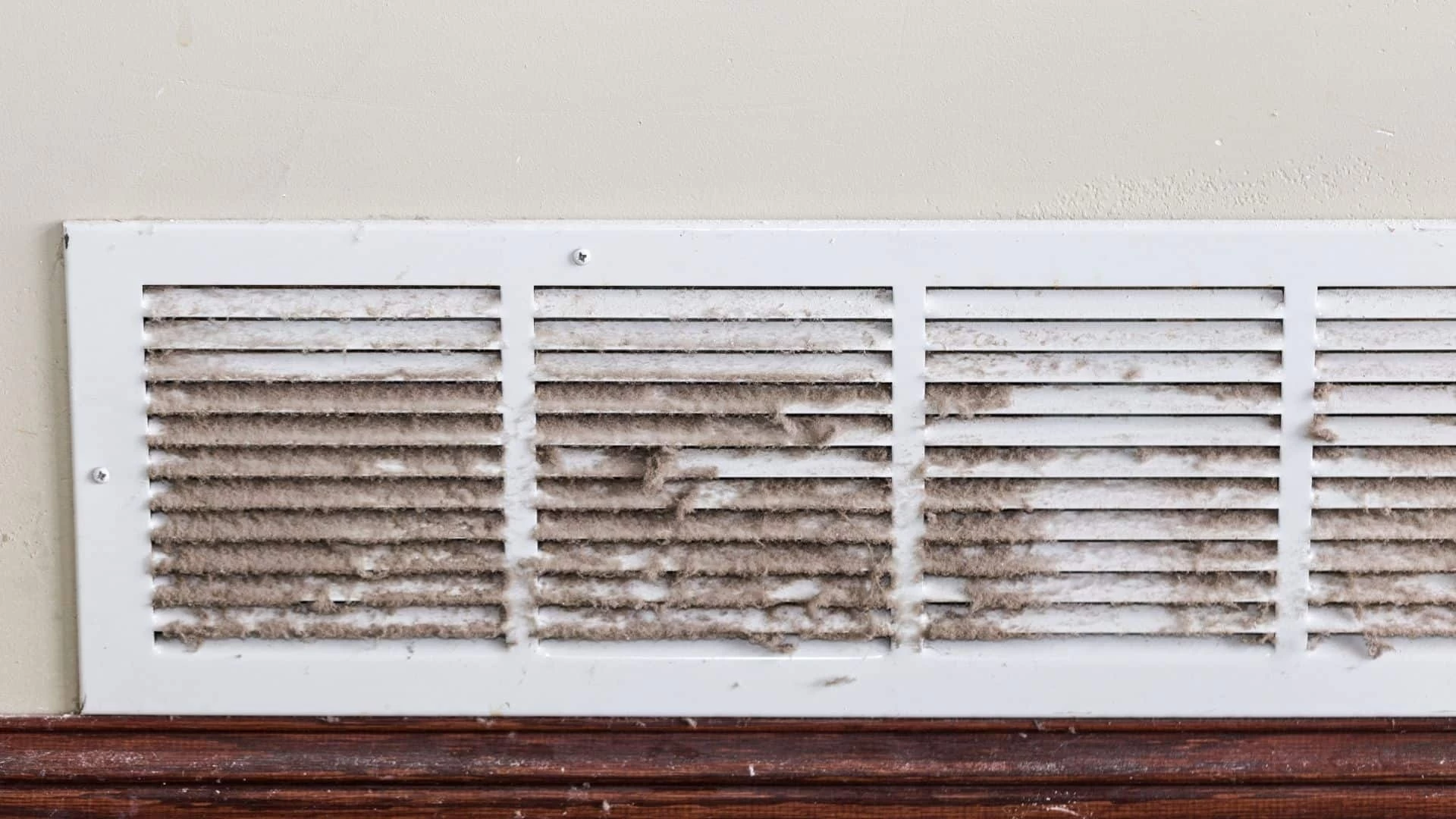
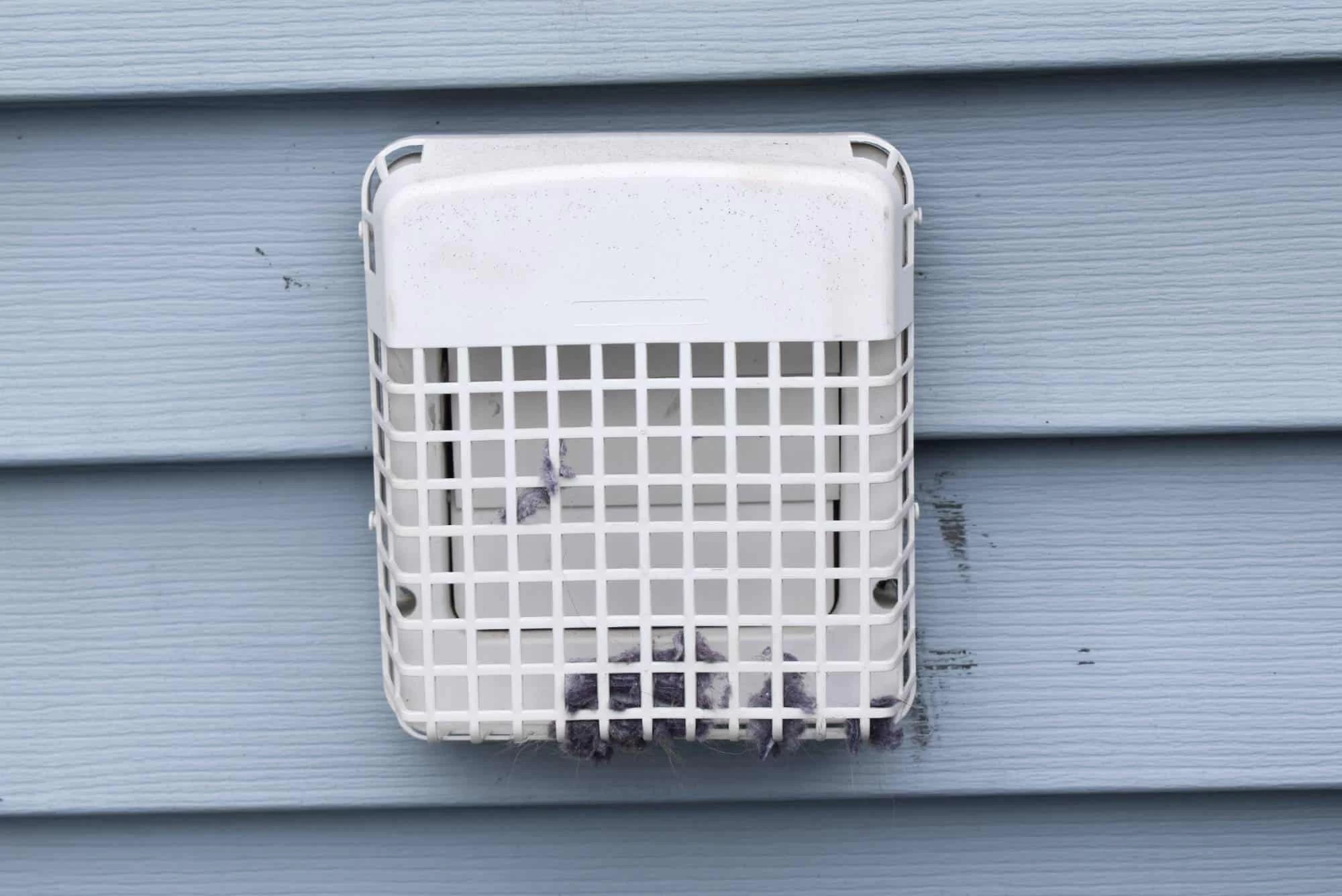
Every time you dry your clothes, tiny fabric fibers break off, creating lint. While your dryer’s lint trap catches some of it, a significant amount sneaks past the filter and builds up in the vent system over time. This gradual accumulation creates the perfect conditions for a house fire.
When lint collects in the flexible vent hose or the ductwork running to the outside of your home, it chokes off the flow of hot, moist air. This blockage forces your dryer to work much harder and run hotter because the heat has nowhere to go. The trapped heat continues building until it reaches dangerous temperatures.
Lint is a highly flammable material. If left to accumulate in the vent, it can cause a fire that can cause havoc. Regular cleaning helps to prevent lint buildup, thus preventing the risk of fire.
The Science Behind Dryer Overheating and Ignition
If the dryer vent has been pinched or has become clogged with lint, the air does not circulate through the dryer. The operational thermostat is not capable of measuring the temperature of the air flowing across the thermostat. With no airflow, the heat in the heater box will continue to rise until it activates the high-limit thermostat.
Over time, the appliance’s high-limit safety switches, which are designed to shut the machine off if it gets too hot, can fail under the constant strain of overheating. Eventually, the trapped heat can spike the temperature inside the duct high enough to ignite the accumulated lint.
When lint builds up in your dryer vent, it restricts airflow, causing the dryer to overheat. As temperatures rise, any trapped lint can ignite, quickly spreading flames through your home’s ductwork. These fires often start inside the walls, making them difficult to detect until it’s too late.
The process happens gradually, which is why many homeowners don’t realize the danger until it’s too late. Your dryer may continue working normally for months while lint builds up behind the scenes. A startling number of residential fires begin this way, often smoldering silently inside the walls of a home before anyone notices.
Alarming Statistics: The Real Scale of Dryer Fire Risk
The numbers surrounding dryer fires are sobering and should concern every homeowner. According to the U.S. Fire Administration (USFA) and the National Fire Protection Association (NFPA), around 2,900 home clothes dryer fires are reported each year in the United States. These fires cause an estimated five deaths, 100 injuries, and over $35 million in property damage annually.
What’s particularly concerning is that 34% of these fires stem from lint build-up in dryer vents. In other words, more than a third of dryer fires could be prevented by a simple step: regular vent cleaning. According to the U.S. Fire Administration, failure to clean is the leading cause behind the roughly 2,900 clothes dryer fires reported each year.
The National Fire Protection Association (NFPA) reports that dryers and washing machines cause an average of 15,970 fires each year, with dryers causing 92% of them and an average of $200 million in property damage. More specifically, electric dryers are shown to be more than 2.5 times more likely than gas dryers to cause fires due to the higher heat discharge from electric dryers which increases the problem of lint buildup.
According to the study from NFPA, 32% of dryer fires were caused by a “failure to clean,” with 27% of dryer fires starting when “dust, fiber, or lint ignited.” These statistics make it clear that proper maintenance isn’t just recommended—it’s essential for protecting your family and home.
Why Franklin Park Homes Face Greater Dryer Vent Challenges
Franklin Park’s housing characteristics create unique challenges when it comes to dryer vent safety. Franklin Park has New Traditional detached homes, Colonial-revival townhouses and midrise condo complexes all built between the 1980s and early 2000s. The neighborhood has more large 4, 5, or additional bedroom homes than 96.4% of neighborhoods in America, with instantly noticeable large home sizes.
These larger suburban homes present specific ventilation challenges that increase fire risk. Franklin Park homes built before 1990 often have longer vent runs with multiple turns that collect more lint. The size and layout of these properties often require more complex vent routing to reach exterior walls.
The Problem with Longer Vent Systems in Suburban Homes
Dryers that are located farther from exterior walls require longer venting. Any bend or sudden turn in these vents can become a space for lint to accumulate over time. This is particularly relevant for Franklin Park homeowners, where the neighborhood offers an abundance of homes on spacious lots, often resulting in laundry rooms positioned away from exterior walls.
Some laundry rooms, especially those in homes built in the 1980s, are towards the center of the building, resulting in long vent systems. A long system may downgrade the overall performance if the dryer vent doesn’t have booster blowers. Bends reduce airflow and result in frequent lint buildup.
The physics of airflow work against longer vent systems. This is the main event—the long, smooth-walled pipe that runs through your walls or ceiling to the outside. Even in a perfectly straight run, lint will slowly coat the inner surfaces, narrowing the passage little by little. The problem gets exponentially worse with every 90-degree turn in the ductwork.
The location of your dryer and the length of the vent system also matter. A long hose vent or one with multiple angle changes is more prone to lint buildup that’s difficult to reach without professional cleaning. This means Franklin Park homeowners with larger, more complex homes need to be especially vigilant about professional maintenance.
Recognizing Warning Signs Before Disaster Strikes
A serious dryer lint fire hazard doesn’t just happen out of the blue. Long before a fire ever starts, your appliance is sending out clear, unmistakable distress signals. These aren’t complicated error codes on a digital display; they’re simple, sensory clues that tell you something is dangerously wrong with its airflow. Learning to spot these red flags is one of the most important things you can do to prevent a disaster.
The most obvious warning sign is extended drying time. If loads that used to dry in one cycle now take two or three, your vent is probably blocked. A telltale sign that the dryer vent needs cleaning is that your clothes take longer to dry. When it takes two to three cycles to dry a load of towels, it’s time to check things out.
Other warning signs include the dryer feeling extremely hot to touch, excessive lint around the lint trap, a burning smell when the dryer runs, or the exterior vent hood not opening when the dryer is on. You might also notice the laundry room getting very humid or hot during drying cycles. If you see any of these signs, don’t wait – lint buildup creates serious fire risk and forces your dryer to work much harder, shortening its lifespan and increasing energy costs.
According to the USFA, the signs of a clogged dryer vent are often noticeable, yet many people ignore them, increasing the risk of a fire. Survey data shows that nearly 60% of homeowners recognize these signs but do not take immediate action. Don’t become part of this statistic—take action immediately when you notice these warning signs.
Professional Maintenance Recommendations for Franklin Park Homeowners
The U.S. Fire Administration recommends getting your dryer vents cleaned professionally once a year. Remember that an annual cleaning is a minimum. However, Franklin Park homeowners may need more frequent service based on their specific circumstances.
For households that do laundry frequently—especially those with large families, pets, or heavy fabrics—a cleaning every 6 months is a safer option. Some may need cleaning twice per year and others every 3 or 4 years. It is not difficult to determine a proper cleaning frequency for your dryer.
Given the complexity of many Franklin Park homes, professional cleaning is essential. We use professional equipment that reaches every section of vent line, no matter how long or complicated the route. The investment in professional service pays for itself through improved safety, energy savings, and extended appliance life. Don’t wait until you see warning signs—schedule regular maintenance with us at Apex Air Duct Cleaning & Chimney Services to protect your Franklin Park home and family.