Summary:
How Lint Buildup Creates Fire Hazards in Your Dryer Vent
Lint ignites at just 400°F, while many dryers operate above this dangerous threshold. Every load of laundry sheds thousands of tiny fibers that slip past your lint trap, accumulating deep inside the vent system where you can’t see or reach them.
These textile fibers from cotton, wool, and synthetic materials are highly flammable with large surface areas that ignite quickly when exposed to heat. When airflow becomes restricted, temperatures spike beyond normal operating levels, creating the perfect conditions for spontaneous combustion.
Why Restricted Airflow Turns Your Dryer Into a Fire Risk
When dryers aren’t cleaned regularly, lint buildup restricts airflow, and restricted airflow means clothes take longer to dry—your first warning sign. But the real danger happens inside the machine where you can’t see it.
When vents become clogged with lint, air cannot circulate properly through the dryer. The operational thermostat can’t measure air temperature because there’s no airflow, so heat continues building in the heater box until it activates the high-limit thermostat. This creates a cycle where your dryer works harder, runs hotter, and pushes internal temperatures well beyond safe levels.
When airflow is restricted due to hidden lint buildup, internal temperatures can soar beyond 500°F near the heating element—the exact ignition point of dryer lint. At this point, you’re not dealing with an appliance problem anymore. You’re sitting on a potential house fire.
The majority of dryer fires occur when highly combustible lint gets caught in the vent and becomes heated to ignition point, then spreads through the exhaust system to ignite other flammable materials like household cleaning products and adjacent structures.
The Hidden Danger Most Woodbridge Homeowners Miss
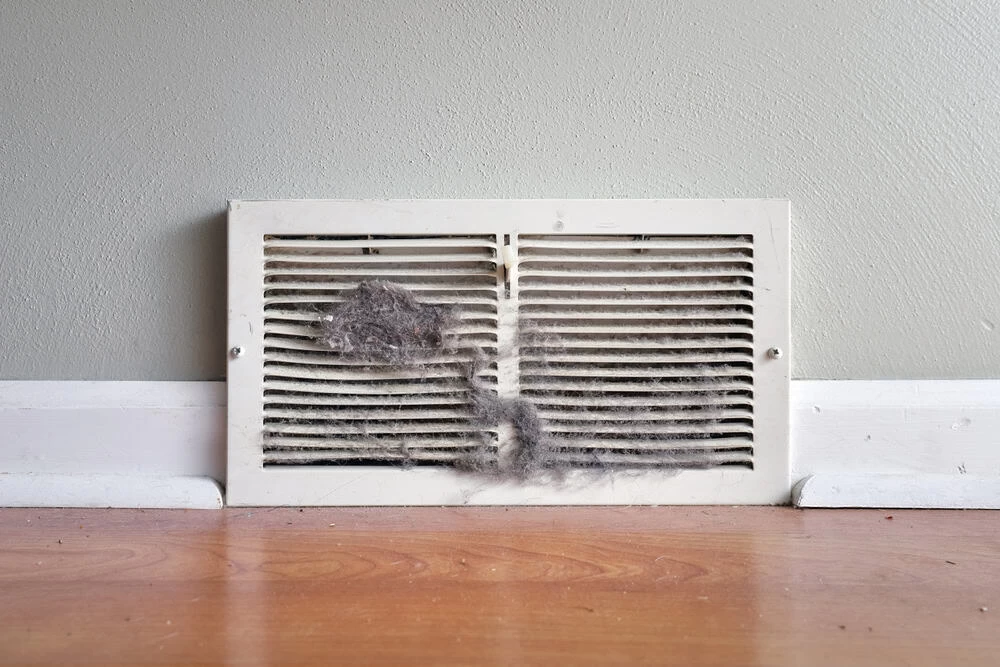
Lint doesn’t just build up in your lint trap or at the back of the dryer. One of the most overlooked fire hazards is what you can’t see—many dryer fires ignite in hidden sections of your venting system. These concealed areas are impossible to inspect without professional equipment.
The lint trap only catches about 70% of lint, while the rest escapes into the vent system where it can ignite if not professionally cleaned. This means even diligent homeowners who clean their lint trap after every load are still accumulating dangerous buildup in areas they can’t reach.
Failure to clean was cited in 33% of dryer fires, making it the leading cause of these preventable tragedies. The problem isn’t just neglect—it’s not knowing where the real danger hides. Professional cleaning targets these hidden accumulation points that standard maintenance misses entirely.
Your Woodbridge home’s vent system might run through walls, crawl spaces, or long exterior runs that create perfect conditions for lint to settle and compact. Some vents have long duct runs where moisture condenses and creates restriction, making it critical to use only aluminum ducting and keep the entire system clean.
Warning Signs Your Woodbridge Home Needs Immediate Attention
It’s a common misconception that clothes taking multiple cycles to dry means you need a new dryer. In reality, lint in your vents is usually the real problem. If your dryer takes longer than one cycle to dry clothes, you’re looking at the first sign of dangerous buildup.
When clothes are still damp after a drying cycle, especially heavier materials like jeans and towels, your vent probably needs cleaning. This moisture retention isn’t just inconvenient—it signals that your vent system can’t expel heat and humidity properly.
Immediate Danger Signals That Demand Professional Help
A burning smell when running your dryer is an immediate cause for concern. Lint building up in the system can reach levels too high for your dryer to function properly, and if that lint reaches the heat supply, it can start burning and quickly catch fire. Turn off your dryer immediately and don’t use it until you get professional inspection and cleaning.
If your dryer or clothes are abnormally hot to the touch at the completion of a cycle, it’s a sign your vent needs attention. Extremely hot dryers or clothes during or at the end of a cycle often indicate a blocked vent.
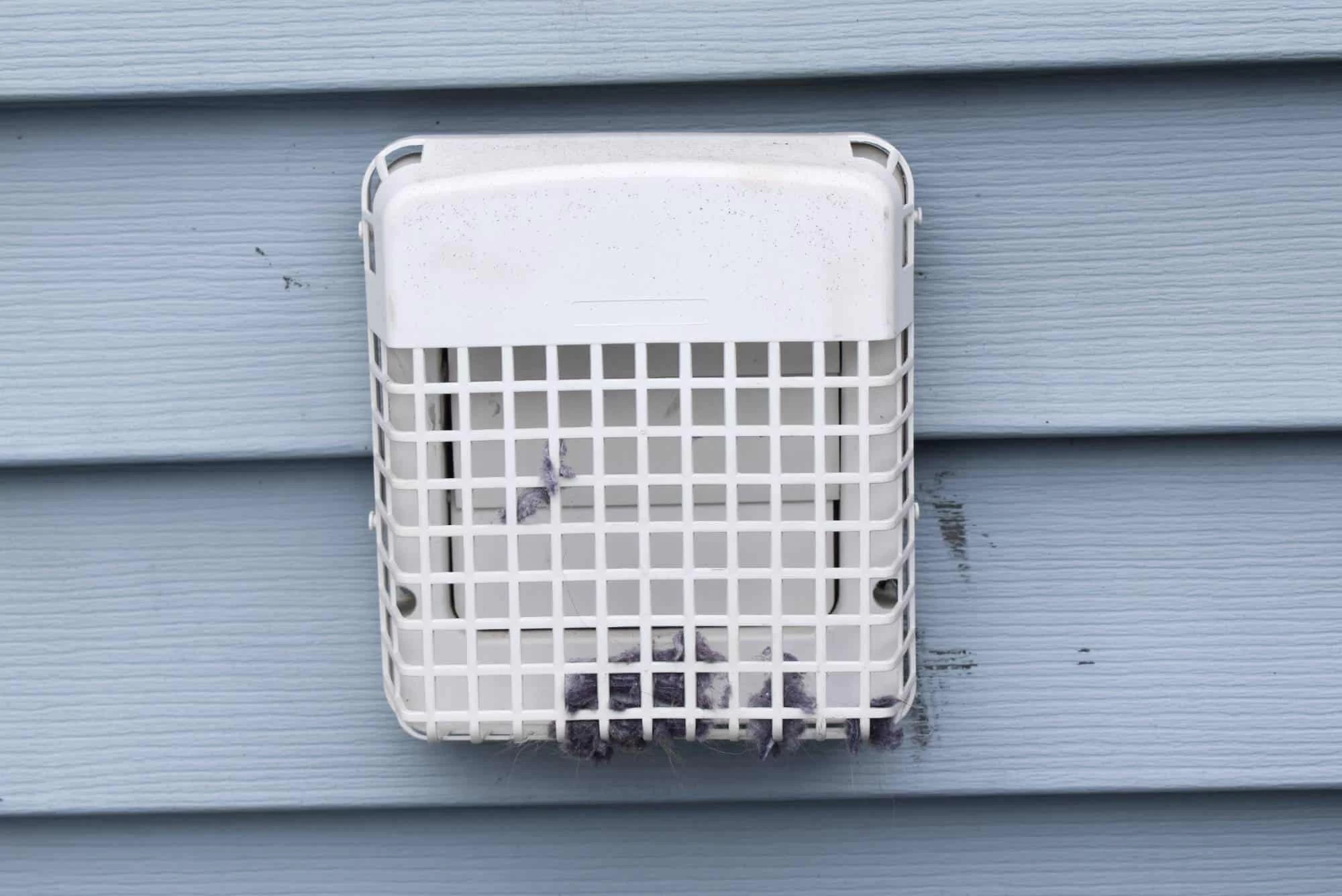
If your laundry room feels hot or humid, your dryer vent can’t push air outside your home, so it’s leaking into your living space. When using your dryer, the lint flap outside should open—if it doesn’t, you likely have restricted airflow with lint stuck in the vent.
Many modern dryers have safety features that automatically shut off if overheating is detected. If your dryer frequently shuts off before cycles complete, it could be due to restricted airflow from a clogged vent.
Why Annual Professional Cleaning Prevents Tragedies
The U.S. Fire Administration recommends getting your vents cleaned at least once a year for proper maintenance and safety purposes. You should clean your dryer vent at least annually, but large households doing laundry frequently may need cleaning more often, with daily users potentially requiring semi-annual cleanings.
Because of fire threats, it’s recommended your dryer vent be cleaned every year. This isn’t a suggestion—it’s a safety requirement that protects your family and property investment.
Professional cleaning goes far beyond what homeowners can accomplish. Without training, it’s difficult to identify when vents are truly clear. Systems may appear clean at first glance, but lint could still be present without proper inspection. We know where and what signs to look for to confirm a cleared system.
According to USFA statistics, approximately 2,900 residential dryer fires are reported annually, causing about 100 injuries, five fatalities, and $35 million in property loss. Winter and fall see an 11% increase in dryer fires, with January recording the highest numbers. USFA reports that 28% of house fires from dryer vents result from lint, dust, and fiber buildup and blockages.
Protecting Your Woodbridge Home From Preventable Fires
A U.S. Fire Administration study found that approximately 34% of nearly 3,000 annual dryer fires are caused by failure to clean the appliance, while 28% are sparked by dust, fiber, and lint. These aren’t random accidents—they’re preventable tragedies that happen when homeowners don’t understand the hidden dangers.
Your family’s safety depends on recognizing that dryer vent cleaning isn’t routine maintenance—it’s fire prevention. Excessive dryer lint buildup poses a serious fire hazard since lint is extremely combustible, with a significant number of fires caused by lint accumulation.
Don’t wait for warning signs to appear. Schedule your annual professional cleaning with us at Apex Air Duct Cleaning & Chimney Services and protect what matters most.