Summary:
New Jersey Commercial Dryer Vent Compliance Requirements for 2026
The regulatory landscape changed significantly when fire safety officials started contacting community managers and boards to enforce Section 504 of the 2021 International Mechanical Code. The 2026 updates build on these foundations with stricter enforcement and clearer liability frameworks.
The New Jersey Uniform Fire Code [N.J.A.C. 5:70-3] necessitates that homeowners must clean their dryer exhaust ducts regularly, but property managers face additional responsibilities. You’re not just managing individual units—you’re overseeing complex systems that serve multiple families.
The stakes are real. Without compliance, you risk fines, inspection failures, or compromising the safety of your property and its residents. But compliance done right also protects your investment and reduces long-term maintenance costs.
Understanding Section 504 Requirements for Multi-Unit Properties
Section 504 isn’t just about cleaning schedules—it fundamentally changes how dryer vent systems must be designed and maintained in commercial properties. The section states that dryer exhaust ducts for clothes dryers shall terminate on the outside of the building and shall be equipped with a backdraft damper.
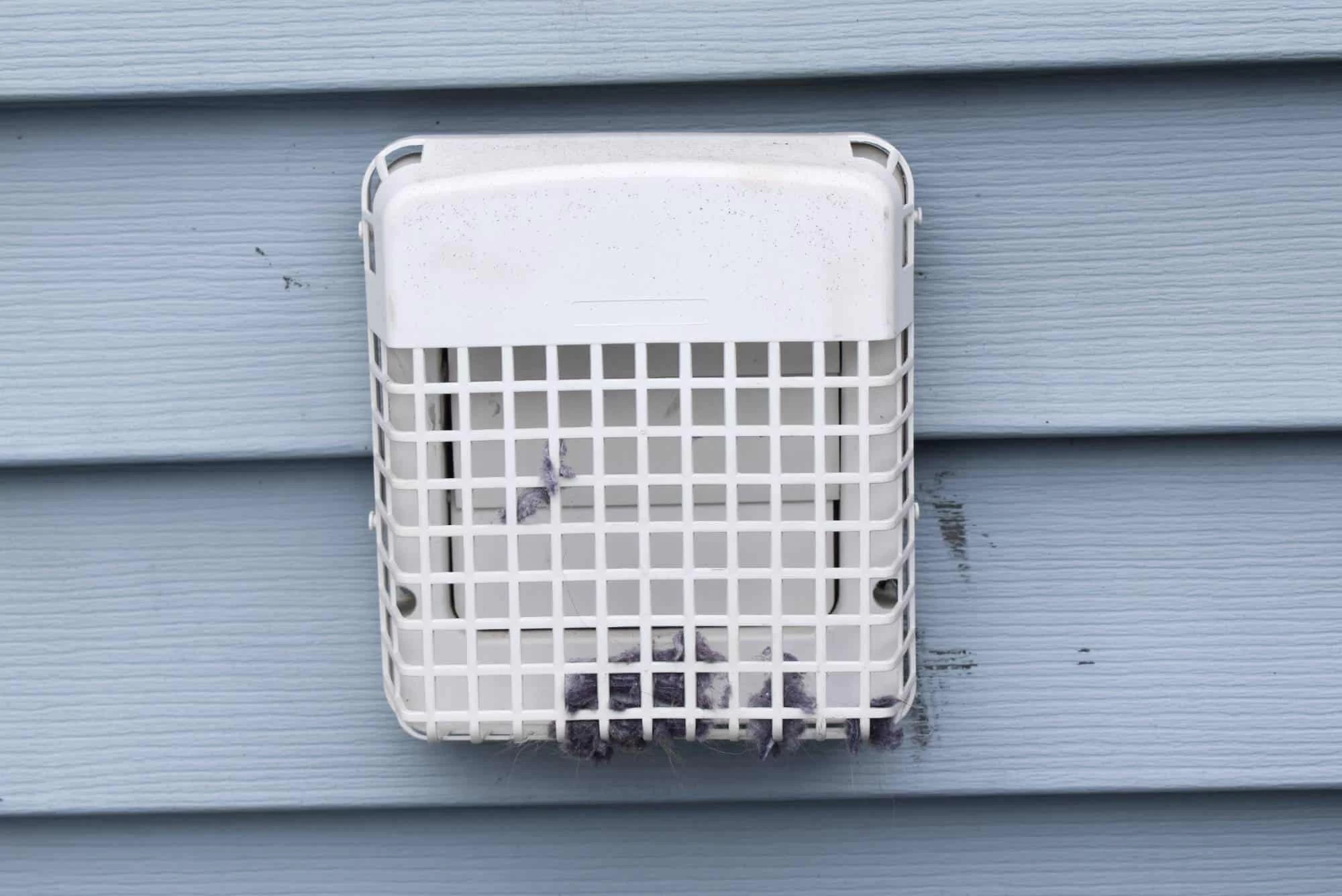
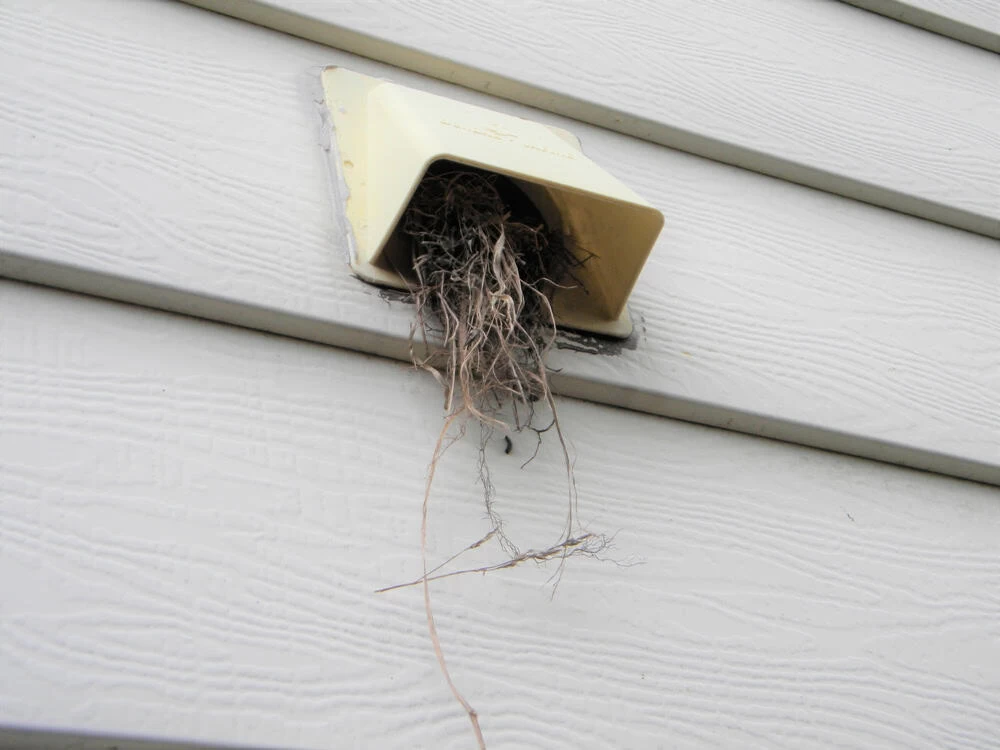
Here’s where most property managers get caught off guard: some municipal fire prevention officers determined that section 504.4 prohibits “cages” from being installed over dryer vents, requiring items like open plastic cages and smaller aperture wire meshes to be removed immediately due to fire safety problems. If your properties have these installations, they’re now code violations.
The manufacturer compliance requirement is equally critical. Section 504.1 states that dryers “shall be exhausted in accordance with the manufacturer’s instructions,” and since most major dryer vent manufacturers prohibit cages, managers should immediately have inspections performed to look at dryer vent covers on each unit.
Multi-story apartment or condo buildings typically use shared multiple flue venting systems, where each dryer connects to a dedicated flue within a system that runs vertically from ground floor to roof, with a powerful exhaust fan maintaining airflow. These complex systems require specialized knowledge and equipment that most general contractors don’t possess.
The liability implications extend beyond just your property. Proper compliance protects homeowner associations, property managers, and appliance installers from liability if someone unknowingly uses old vent systems improperly. This protection becomes especially important when you’re managing properties with high tenant turnover.
Mandatory Cleaning Frequencies and Documentation Requirements
In New Jersey, homeowners often must clean their dryer vents every two years to prevent fire risks, but commercial properties face different standards. Most associations’ insurance companies have been recommending/requiring regular dryer vent cleaning and repair (usually every two or three years), creating a patchwork of requirements that vary by property type and insurance carrier.
The documentation requirements are where many property managers struggle. HOAs want to prevent potential fire hazards and send letters or emails demanding cleaning by certain timelines, and proper cleaning certificates must be provided on every job absolutely free. But not all certificates are created equal.
If someone is trying to charge for certificates or even sell them without looking at the dryer vent, these individuals or companies should be reported to police. This highlights why working with properly certified contractors matters—they understand both the technical requirements and the proper documentation protocols.
Dryer vents should be cleaned every 2 years, but if the total run is longer than normal (25ft), then cleaning is recommended every year. For commercial properties with complex ductwork, this often means annual service regardless of the baseline requirements. Clubhouses and other public areas should be serviced every 3 years, adding another layer to your maintenance scheduling.
The insurance factor can’t be ignored. Due to insurance liability, it has become mandatory in many states including New Jersey to depend on townhouse management and condo associations to ensure dryer ducts are properly cleaned every 2 years to prevent fires. Your insurance carrier’s requirements may be stricter than state minimums, and failing to meet them could void coverage when you need it most.
Fire Safety Statistics and Risk Management for Property Managers
The numbers tell a sobering story that every property manager needs to understand. U.S. fire departments responded to an estimated average of 15,970 home structure fires involving clothes dryers each year, causing annual averages of 13 civilian deaths, 444 civilian injuries, and $238 million in direct property damage, with 92 percent of fires involving clothes dryers.
A fire involving a dryer occurs every 37 minutes in the U.S., according to the National Fire Protection Agency, and many could have been easily prevented by professional dryer vent cleaning. When you’re managing multiple units, these statistics aren’t just numbers—they represent potential liability exposure and resident safety risks that multiply across your portfolio.
The financial impact extends beyond fire damage. Clogged dryer vents cause drying cycles to be much longer than normal and raise utility bills, with clogged vents making dryers run as much as 3 times longer than cleaned ones. In buildings where utilities are included in rent, this directly impacts your operating costs.
Understanding Fire Hazard Indicators in Commercial Properties
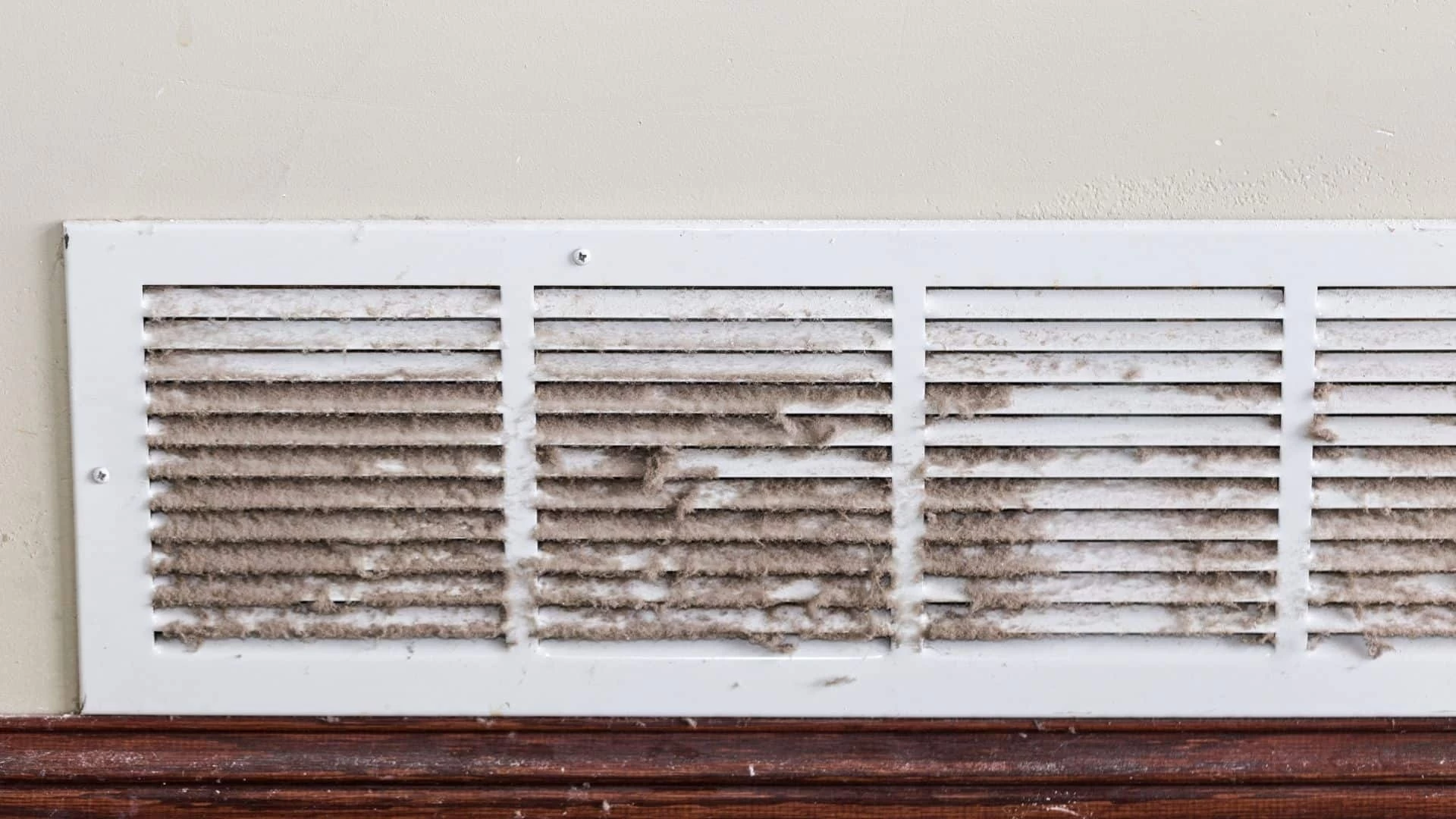
Lint is a very flammable material and it only takes a small spark to ignite it, making this the most common cause of dryer fires in the USA. In commercial properties, the risk compounds because you have multiple units generating lint simultaneously, often through shared ventilation systems.
The material composition of your ductwork matters more than most property managers realize. The most commonly seen dryer vent material is flexible tubing, but vinyl is a type of plastic that can easily melt and cause fire to spread, and this material has been banned for use with clothes dryers since the late 1970s. If your properties have older installations, they may contain prohibited materials that create additional fire hazards.
Another improper material routinely seen is mylar foil tubing—flexible ribbed shiny tubing that many assume is metal because it’s shiny, but it’s not approved for use as clothes dryer vent material. These installations often hide behind walls in commercial properties, making them particularly dangerous because problems aren’t visible until it’s too late.
The location and termination requirements create additional complications for commercial properties. Venting a clothes dryer into a garage, basement, attic, or anywhere inside the building can lead to excessively high humidity levels, carbon monoxide, mold, and increased fire risk, and ventilation lines should terminate where they cannot be blocked by vegetation, snow, or dirt, at least 3 feet from doors and windows.
Exterior hoods tend to collect lint, and some have screens that were never removed during installation, while roof hoods need to be cleaned from the roof and not just blown out from inside, which causes lint to collect on the roof. This creates maintenance challenges that require specialized equipment and safety protocols for multi-story commercial buildings.
Insurance and Liability Considerations for Property Management
The liability landscape for property managers has shifted dramatically with increased enforcement of dryer vent regulations. “Condominium concerns vis-a-vis dryer vents and fires are legitimate and growing in numbers,” and boards that have adopted policies must be concerned enough to actually enforce them. This creates a legal obligation that extends beyond basic maintenance.
If individual owners refuse to comply despite fines, owners, their property, and common elements are at risk, and condominiums can commence legal action seeking orders compelling compliance. As a property manager, you need systems in place to document non-compliance and take appropriate enforcement action.
The insurance requirements add another layer of complexity. HOAs may have specific requirements for providers, such as general liability insurance or worker’s compensation insurance or BBB accreditation, and it’s the tenant’s or homeowner’s responsibility to check if providers meet these requirements. But property managers often get caught in the middle when residents hire unqualified contractors.
Certification is important for vendors who perform dryer vent, air duct and chimney cleaning and inspecting, and proper insurance is mandatory for any vendor working in a community. When something goes wrong, insurance carriers will scrutinize whether you used properly qualified contractors and followed documented maintenance protocols.
The enforcement mechanism has real teeth. It’s important for associations to consult with their legal counsel to determine responsibilities for compliance with Section 504.6 and to prevent the imposition of applicable fines for non-compliance. These aren’t empty threats—fire safety officials are actively issuing violations and fines for non-compliant properties.
Implementing a Compliant Commercial Dryer Vent Maintenance Program
Creating a sustainable compliance program starts with understanding that this isn’t a one-time fix—it’s an ongoing operational requirement. Flexible maintenance plans are ideal for high-traffic apartment complexes, with discounted bulk pricing available for property managers through multi-unit service packages. The key is finding contractors who understand both the technical requirements and the administrative burden you face.
Your maintenance program needs to address both routine cleaning and emergency response capabilities. Professional contractors should offer scoping with cameras to locate disconnected vent pipes, making small repairs through 8-inch holes and sealing them properly with sheetrock patches. This level of service prevents small problems from becoming major compliance violations.
The documentation and certification process requires working with contractors who understand your administrative needs. We bring 40+ years of New Jersey experience with triple certification (CSIA + NFI + NADCA), ensuring your properties meet all current and upcoming compliance requirements while protecting your residents and your investment.