Summary:
Why Lint Accumulation Creates Fire Hazards in Monroe Township Homes
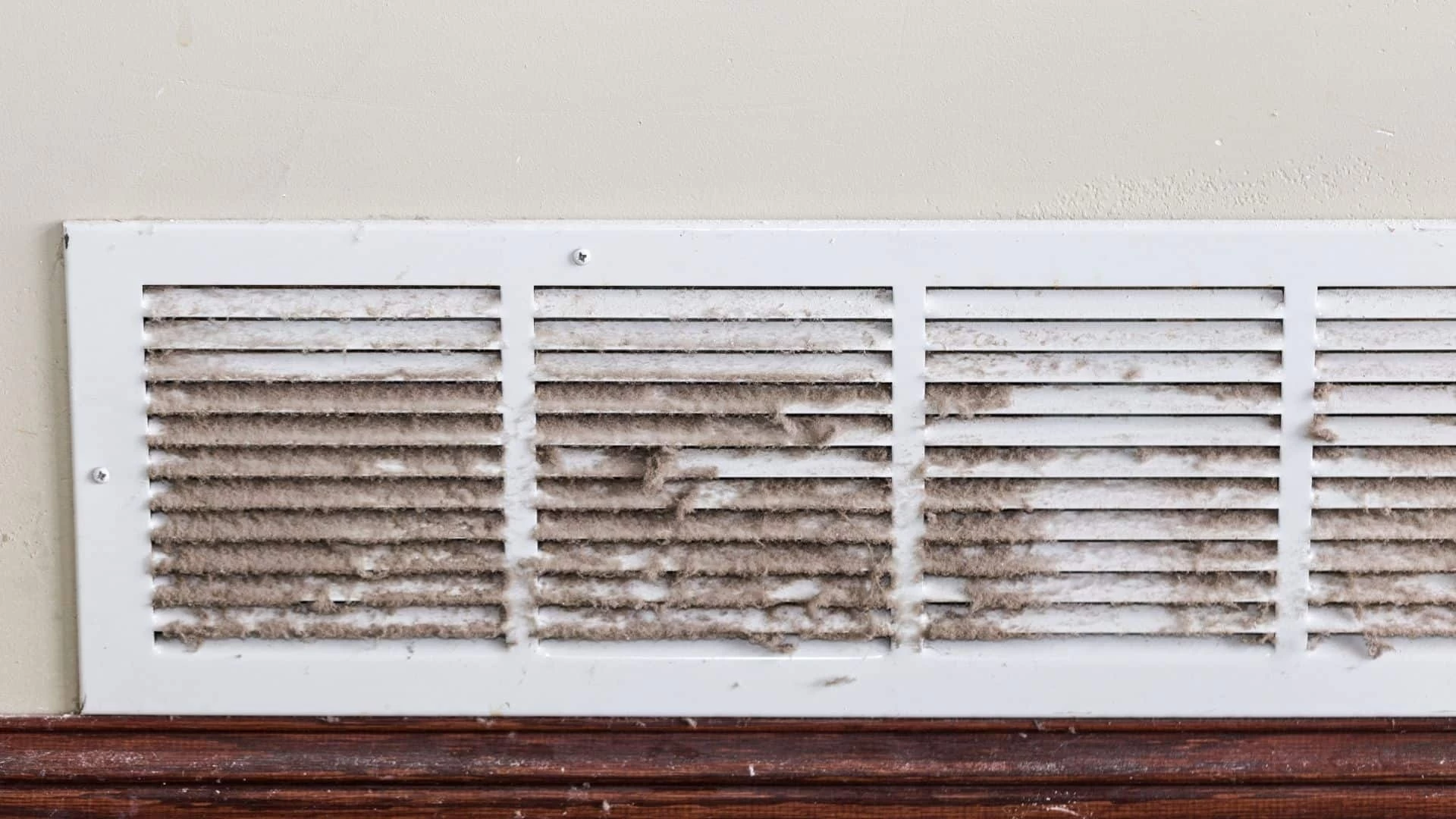
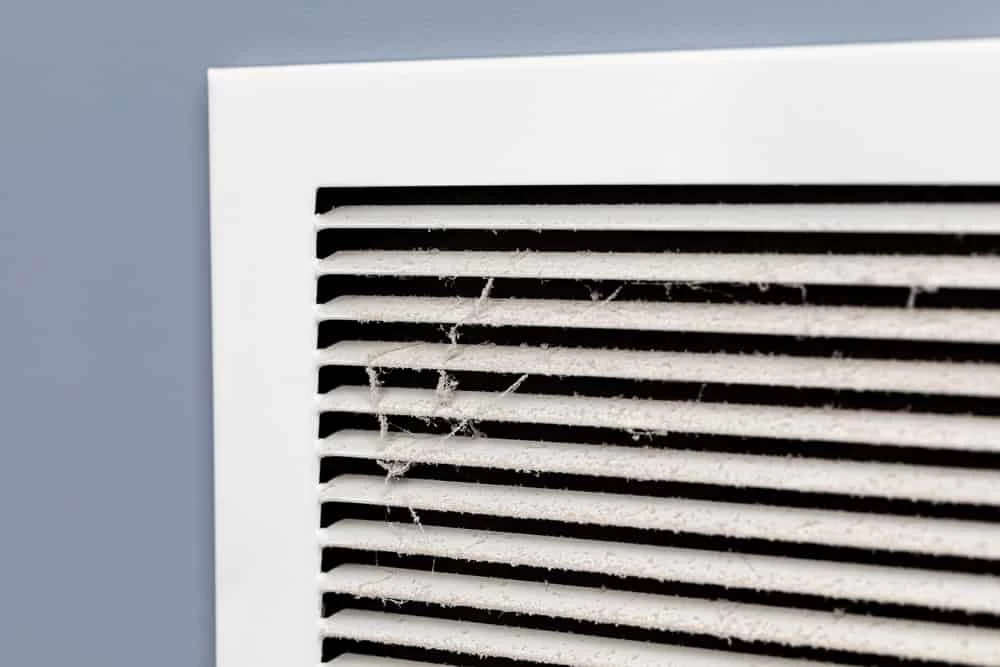
Lint accumulation within dryer vents is a primary cause of fires. As clothes are dried, lint is produced and can become trapped in the vent system. Over time, this lint buildup restricts airflow, causing the dryer to overheat. The combination of heat, flammable lint, and limited ventilation creates a dangerous environment that can ignite a fire.
On average, a fire involving the dryer occurs every 37 minutes in the U.S. Most of these incidents stem from something preventable: inadequate cleaning. The NFPA reports that failure to clean the dryer (34%) and failure to clean the venting system (28%) are the leading factors contributing to home fires involving dryers.
How Restricted Airflow Leads to Dangerous Overheating
A reduction of the air flowing through the clothes dryer is the number one cause of a dryer overheating or a dryer not drying properly. If your dryer’s internal duct has a blockage, hot air becomes trapped inside the machine.
Most dryers shut off when internal temperatures exceed 250-300°F, though exact temperatures vary by model and safety device type. Normal dryer operating temperatures range from 120-160°F. When lint buildup restricts airflow, temperatures can spike rapidly beyond safe levels, triggering the thermal shutoff switch.
This overheating doesn’t just damage your dryer—it creates the perfect conditions for ignition. Each time your dryer overheats before shutting off, lint and debris heat to dangerous temperatures that increase fire risk. In Monroe Township’s senior communities, where residents rely on consistent laundry routines, these temperature spikes can happen more frequently due to regular use.
The process works like this: as lint accumulates in your vent system, it acts like insulation, trapping heat inside. The lint buildup acts as insulation. It traps heat inside the dryer drum, making clothes extremely hot. Your dryer compensates by working harder and running longer cycles, which generates even more heat and accelerates the buildup of additional lint.
Warning Signs Your Dryer Vent System Needs Immediate Attention
You don’t have to wait for a fire to know something’s wrong. Are your clothes coming out of your normal dry cycle a little wet? Do you have a light on your dryer that says VENT or LINT that has suddenly come on? These can both be signs that your dryer is having restricted airflow issues.
Be alert to these warning signs of restricted airflow: Clothes take longer than one cycle to dry. The dryer or laundry room feels hot or humid during use. A musty, burning, or smoky smell comes from the dryer.
Physical signs are equally telling. While dryers naturally generate heat during operation, they should not be uncomfortable to touch or produce burning-hot laundry. Properly functioning dryers should maintain reasonable surface temperatures and produce warm, not scalding, clothes.
In Monroe Township’s senior communities, residents should pay special attention to these warning signs because many units feature longer vent runs through walls and multiple floors. Dryers that are located farther from exterior walls require longer venting. Any bend or sudden turn in these vents can become a space for lint to accumulate over time.
Modern dryers include safety features, but they’re not foolproof. Many modern dryers have built-in safety mechanisms that automatically shut off the dryer if it’s overheating. If your dryer frequently shuts off before the cycle is complete, it could be due to restricted airflow caused by a clogged dryer vent. Don’t ignore these shutoffs—they’re your dryer’s final attempt to prevent a fire.
Professional Safety Inspections and Cleaning Frequency
The NFPA recommends having dryer vents professionally cleaned at least once a year, or more frequently if necessary. However, frequency depends on several factors specific to your situation. The frequency of inspections depends on various factors, such as how often the dryer is used, the geometry of the exhaust duct system, and the age and type of dryer.
For Monroe Township’s active senior communities, annual cleaning might not be sufficient. Typically a dryer vent needs cleaning every two to three years. It is recommended that the first vent cleaning for a dryer should be rechecked within a year to determine a reasonable frequency for follow-up cleaning.
What Professional Dryer Vent Cleaning Includes
Professional dryer vent cleaning goes far beyond what homeowners can accomplish with household tools. Our equipment does a way better job than you can do with a household or shop vacuum. Even so-called dryer exhaust cleaning kits sold at retail and online don’t have the power to do as good a job of dryer vent cleaning as our professional equipment.
At Apex Air Duct Cleaning & Chimney Services, we follow a meticulous process to ensure your dryer vent is completely clean and free of obstructions. Our technicians start with a thorough inspection of the vent system, identifying any potential issues that could impede airflow or pose a fire risk. Using advanced tools and techniques, we carefully remove all lint and debris from the vent, ensuring that no blockages are left behind. Once the vent is cleared, we conduct a secondary inspection to confirm that the vent is clean and functioning properly. This step is crucial in guaranteeing that your dryer operates at peak efficiency.
The cleaning process addresses multiple areas where lint accumulates. There may also be lint blockage in part or all of the dryer duct/vent system. Excessive lint within the dryer vent system can reduce airflow. Professional technicians clean the entire pathway from your dryer to the exterior vent, including areas homeowners can’t safely reach.
Our team also checks for any signs of wear and tear or damage to the vent system, providing recommendations for repairs if necessary. This comprehensive approach ensures that every aspect of your dryer vent system is addressed. This is particularly important in Monroe Township’s senior communities, where vent systems may run through multiple floors or have complex routing.
Seasonal Maintenance Tips for Monroe Township Residents
More home clothes dryer fires happen in the fall and winter months. According to the U.S. Fire Administration (USFA), 2,900 home clothes dryer fires are reported each year and cause $35 million in property loss. This seasonal increase occurs because during the fall and winter, homeowners tend to use their dryers more frequently.
Fall preparation is crucial for preventing winter problems. You should clean the vents in your dryer in the fall. Cooler, drier weather means there will be more static electricity. If there’s a bunch of lint built up, your dryer could go up in flames.
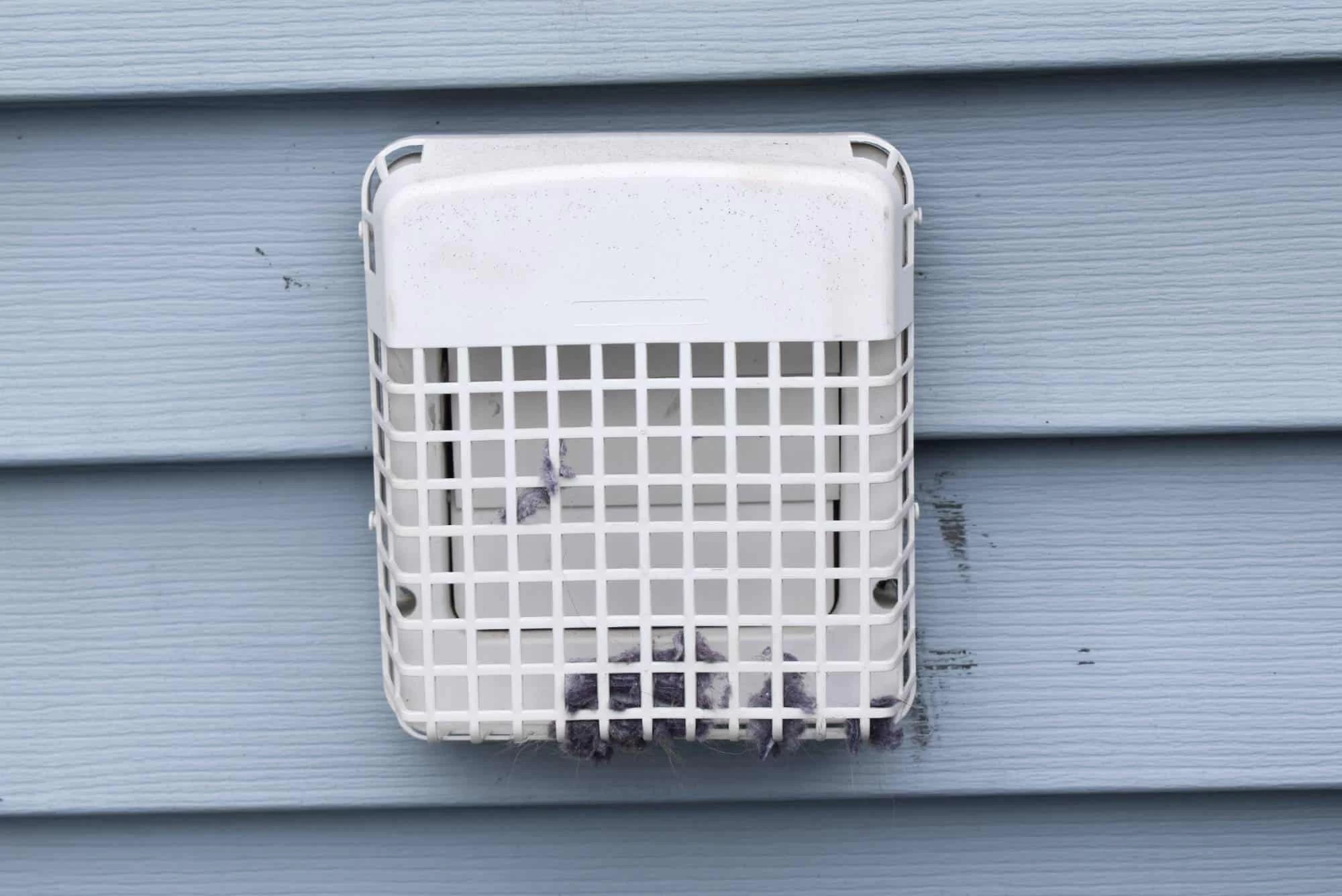
Winter weather creates additional challenges for dryer vent systems. The outdoor vent cover is critical for allowing hot, moist air to escape from your dryer. However, heavy snowfall, ice buildup, or freezing temperatures can obstruct the vent cover, preventing proper airflow.
In regions with cold, humid winters, improper ventilation can lead to condensation and moisture accumulation in dryer vents. This moisture can freeze and cause blockages, leading to reduced airflow and potential damage to the vent system. Winterization measures can help prevent moisture-related issues.
Monroe Township residents should inspect their exterior vents monthly during winter months, clearing away snow, ice, or debris that could block airflow. Make sure the outdoor vent covering opens when the dryer is on. If the vent flap doesn’t move freely, schedule professional service immediately.
Protecting Your Monroe Township Home with Professional Dryer Vent Services
When not properly cleaned and maintained, by removing the lint from the filter after each use and having the exhaust vent inspected annually and cleaned, the risk of fire is increased. The investment in professional dryer vent cleaning pays dividends in safety, efficiency, and peace of mind.
Regular dryer vent cleaning offers a host of benefits that contribute to the safety and efficiency of your home. One of the primary advantages is the significant reduction in the risk of dryer fires, which are often caused by lint buildup. For Monroe Township’s senior community residents, this service eliminates worry while ensuring optimal dryer performance.
When you’re ready to protect your home from dryer fires, Apex Air Duct Cleaning & Chimney Services brings 40+ years of experience and rare triple certification to every job. Our comprehensive approach addresses the unique needs of Monroe Township’s senior communities, providing the expertise and reliability you deserve.