Summary:
When Your Dryer Takes Forever: Long Dry Times Signal Danger
The most obvious red flag is when your dryer can’t finish the job in one cycle. What used to take 45 minutes now stretches to two or three cycles, leaving you frustrated and your clothes still damp.
This isn’t just inconvenient—it’s dangerous. When lint builds up in your vent system, it restricts airflow and forces your dryer to work overtime. That extra strain doesn’t just waste energy; it creates the perfect conditions for a fire to start.
Bridgewater homes, particularly those with upstairs laundry rooms and longer vent paths, are especially susceptible to this problem. The extended ductwork gives lint more places to accumulate, creating blockages that choke off proper ventilation.
Why Bridgewater Homes Clog Faster Than Others
Bridgewater’s housing landscape creates unique challenges for dryer vent systems. Many homes feature upstairs laundry rooms that require longer vent runs to reach the exterior. These extended pathways give lint more opportunities to settle and build up, especially at bends and joints in the ductwork.
Older homes in established neighborhoods near Washington Valley Park often have original vent systems that weren’t designed for today’s high-efficiency dryers. The combination of outdated ductwork and modern appliances creates a perfect storm for lint accumulation. Add in the frequent use that comes with busy family life, and you’ve got a system that clogs faster than typical installations.
The problem compounds during Bridgewater’s humid summers when moisture has nowhere to escape from blocked vents. This trapped moisture doesn’t just slow down drying times—it creates conditions for mold growth and puts additional stress on your dryer’s heating elements. Property managers and homeowners in newer developments around Finderne face similar challenges, as even modern construction can’t eliminate the physics of lint buildup in long vent runs.
What makes this particularly concerning is that many homeowners don’t realize their vent system is failing until it’s too late. The gradual increase in drying times feels normal until you’re running three cycles for a single load of towels. By then, you’re not just dealing with inconvenience—you’re facing a significant fire risk that threatens your family’s safety.
The Hidden Cost of Ignoring Long Dry Times
Every extra minute your dryer runs is money out of your pocket. A clogged vent can triple your drying time, which means triple the energy consumption. For the average Bridgewater household, that translates to hundreds of dollars in unnecessary utility costs each year.
But the financial impact goes beyond your monthly electric bill. Overworked dryers break down faster, and replacement heating elements, thermostats, and motors add up quickly. Many homeowners end up replacing their entire dryer, thinking the appliance is faulty, when the real culprit is a blocked vent system that could be cleaned for a fraction of the cost.
The wear and tear on your clothes is another hidden expense. High heat and extended tumbling fade fabrics, break down fibers, and cause premature wear. Those favorite shirts and expensive sheets won’t last nearly as long when they’re subjected to marathon drying sessions. Insurance companies are also taking notice—some now offer premium discounts for homeowners who provide receipts for annual professional dryer vent cleanings, recognizing the reduced fire risk.
The most expensive consequence, however, is the fire risk. According to the U.S. Fire Administration, nearly 3,000 residential dryer fires occur annually, with failure to clean the vent system being the leading cause. These fires cause millions in property damage, hundreds of injuries, and several deaths each year. The average cost of fire damage far exceeds the price of regular vent maintenance, making professional cleaning one of the smartest investments you can make in your home’s safety.
Overheating Dryer and Burning Smells: Your Fire Alarm System
When your dryer gets too hot to touch or your laundry room feels like an oven, your vent system is crying for help. These temperature spikes happen when blocked vents trap heat that should be expelled outside, forcing your dryer to work in dangerous conditions.
That burning smell isn’t just unpleasant—it’s terrifying. It means lint particles are getting hot enough to approach their ignition point. Lint is incredibly flammable, and when it reaches critical temperatures in a restricted airflow environment, you’re one spark away from disaster.
Don’t ignore these warning signs thinking they’ll resolve themselves. Every load you run with an overheating dryer increases your fire risk exponentially.
Understanding the Science Behind Dryer Overheating
Your dryer’s heating system is designed to work within specific temperature ranges, with proper airflow carrying hot, moist air away from the appliance. When lint blocks this airflow, heat has nowhere to go except back into the dryer drum and surrounding components. This creates a dangerous feedback loop where temperatures climb far beyond safe operating limits.
The heating elements in your dryer can reach over 300 degrees Fahrenheit under normal conditions. With restricted airflow, these temperatures can spike even higher, putting enormous stress on safety sensors and thermal fuses. These safety devices are your last line of defense against fire, but they’re not foolproof, especially when dealing with extreme heat buildup from blocked vents.
Lint itself becomes more dangerous as temperatures rise. What starts as harmless fabric fibers transforms into tinder-dry kindling that ignites at relatively low temperatures. The combination of superheated air, combustible lint, and restricted oxygen flow creates the perfect conditions for spontaneous combustion. This isn’t theoretical—it’s the exact scenario that plays out in thousands of dryer fires each year.
Bridgewater’s older homes face additional risks because original vent installations may not meet current safety standards. Flexible vinyl or foil ducting, common in older installations, can actually melt or collapse under extreme heat, making the blockage problem even worse. Modern rigid metal ducting handles heat better, but even the best materials can’t overcome the fundamental problem of lint accumulation blocking airflow.
Recognizing Dangerous Temperature Warning Signs
Your dryer and laundry room will give you clear signals when temperatures are reaching dangerous levels. The exterior of your dryer shouldn’t be too hot to touch comfortably—if you can’t keep your hand on the surface, that’s a red flag. Similarly, your laundry room shouldn’t feel significantly warmer than the rest of your house during normal operation.
Pay attention to your clothes when you remove them from the dryer. They should be warm but not uncomfortably hot. If garments are too hot to handle immediately after the cycle ends, your dryer is running at dangerous temperatures. This superheated air isn’t just hard on your clothes—it’s a sign that your vent system can’t handle the heat load your dryer is producing.
Watch for other heat-related symptoms like condensation on windows or walls in your laundry room. This moisture buildup indicates that humid air isn’t being properly expelled through your vent system. The trapped humidity combined with excessive heat creates an environment where mold can grow and metal components can rust prematurely. You might also notice that your dryer’s cycles are taking longer to complete as safety sensors try to compensate for the dangerous conditions.
The smell test is crucial—any burning, smoky, or unusual odors during operation demand immediate attention. These smells often indicate that lint particles are beginning to char or that components in your dryer are overheating. Don’t try to finish the load or wait to see if the smell goes away. Turn off your dryer immediately and call a professional. The few minutes it takes to investigate could prevent a catastrophic fire that destroys your home and endangers your family’s lives.
Protecting Your Bridgewater Home from Dryer Vent Dangers
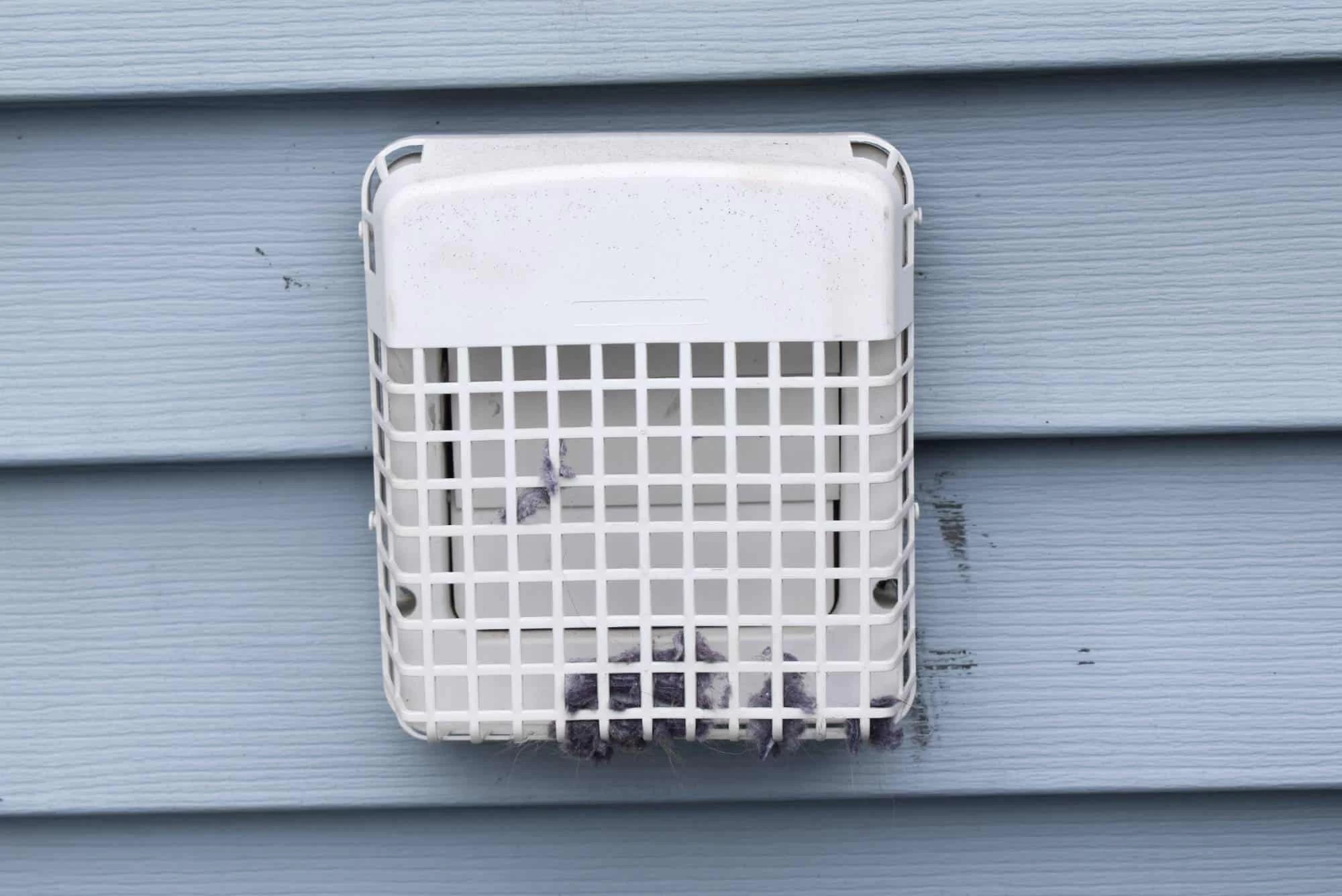
The signs are clear: long dry times, overheating, burning smells, and visible lint around your exterior vent all point to a dangerous blockage that needs professional attention. These aren’t problems you can ignore or fix with a DIY approach—they require the expertise and equipment that only trained professionals can provide.
Bridgewater homeowners face unique challenges with their dryer vent systems, from longer duct runs to older installations that weren’t designed for modern appliances. Regular professional cleaning isn’t just maintenance—it’s essential safety protection for your family and your investment.
Don’t wait for a disaster to take action. If you’re experiencing any of these warning signs, contact us at Apex Air Duct Cleaning & Chimney Services today for a comprehensive inspection and cleaning that will restore your dryer’s safety and efficiency.